Why Off-Page Optimization Is Your Most Significant Competitive Advantage

Browse Strategies for digital discovery in 2026
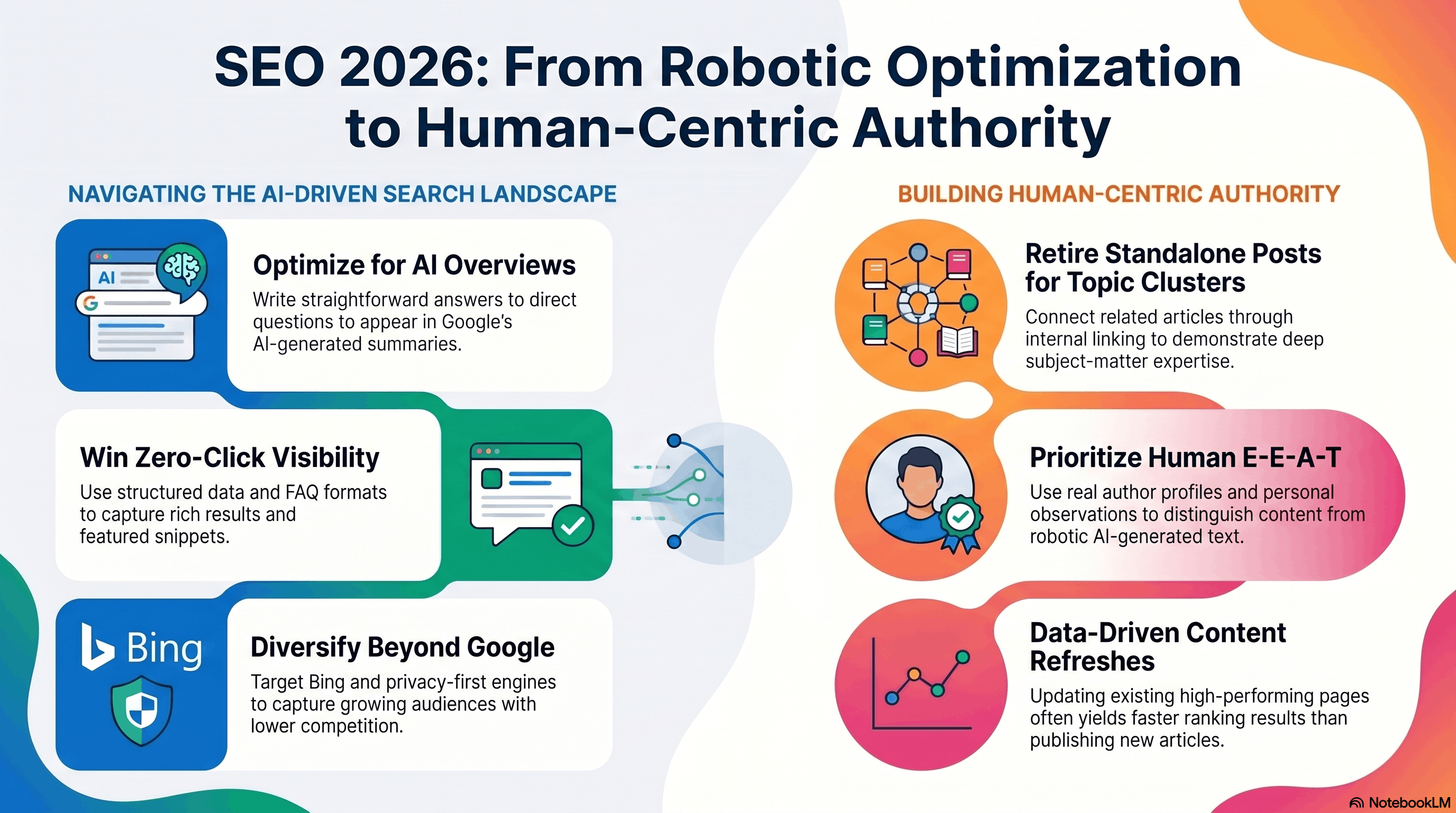
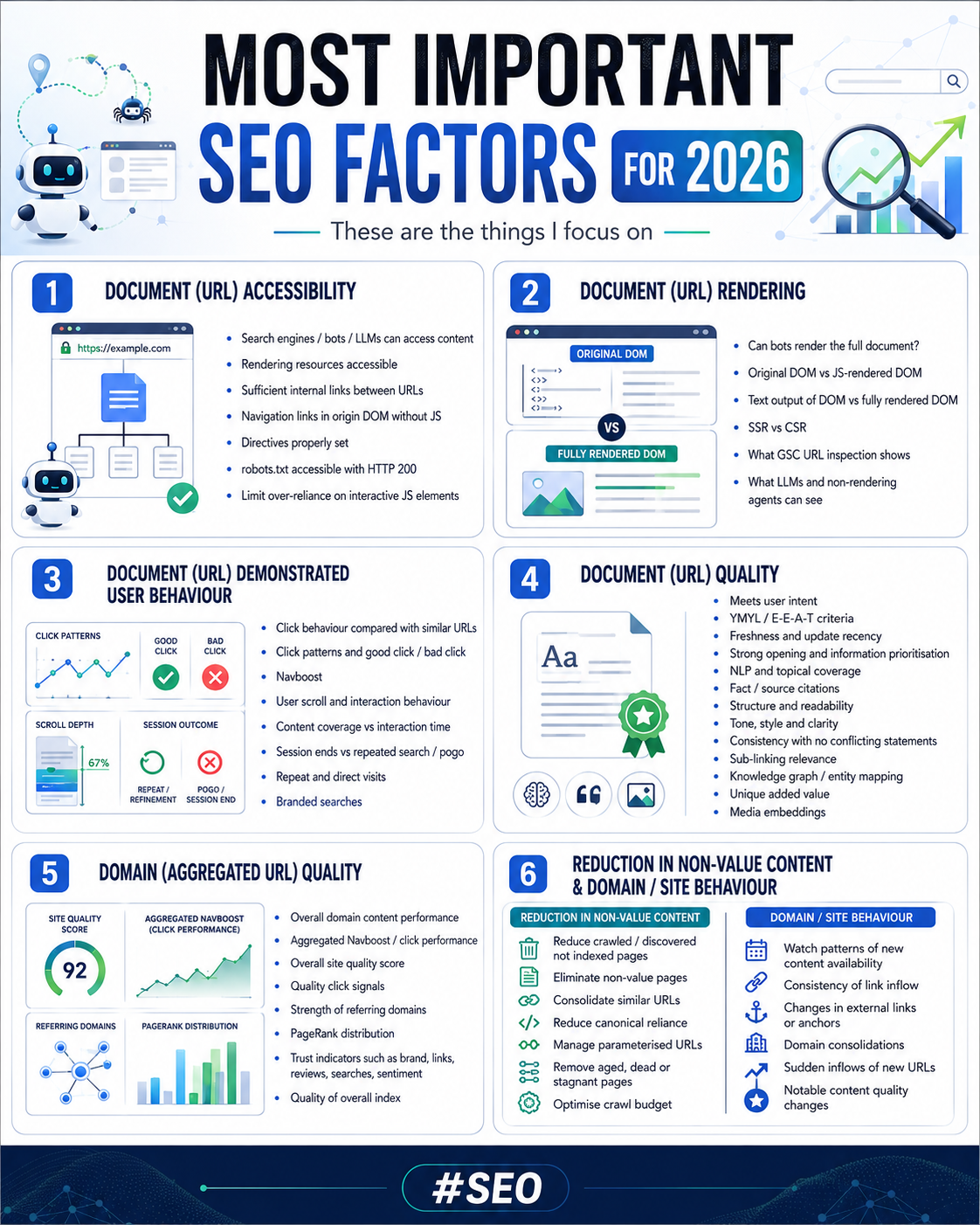
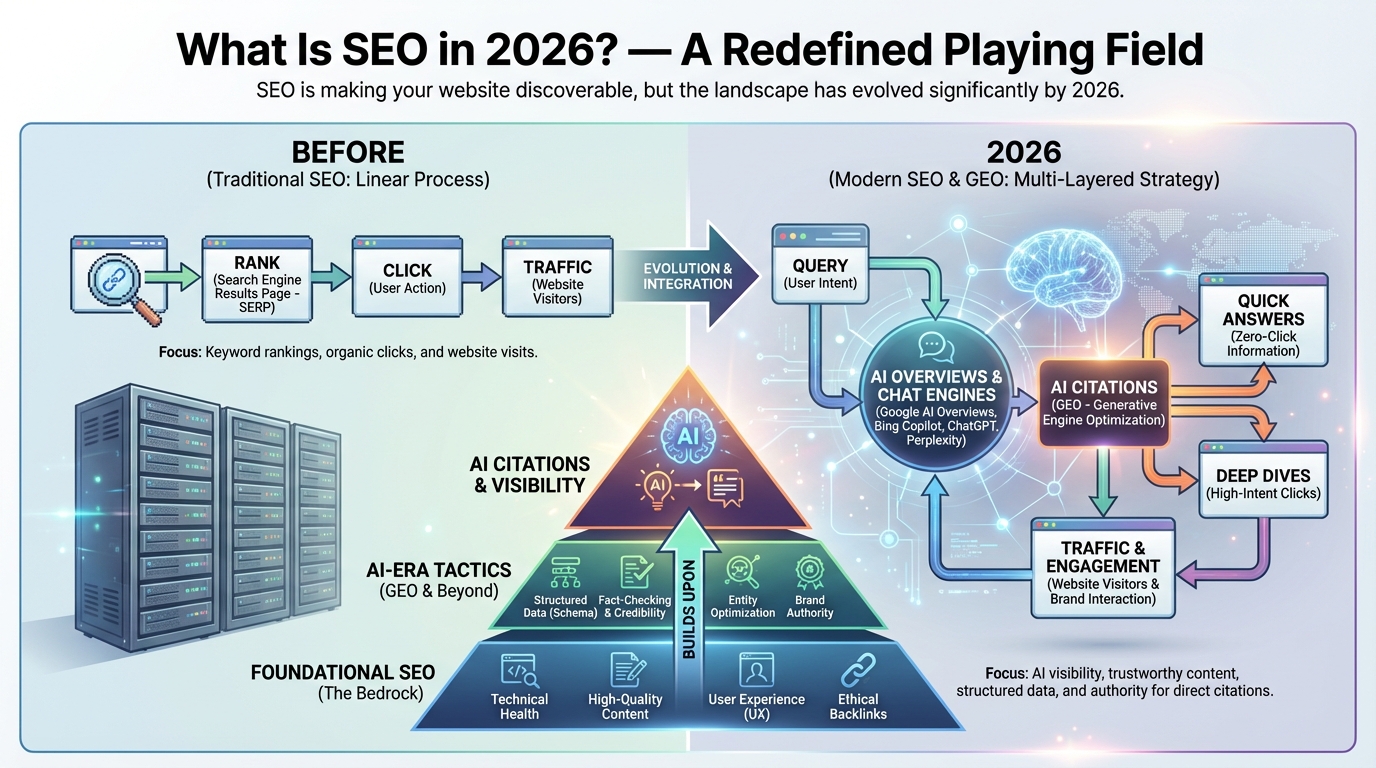
Ranking for competitive terms in 2026 requires a departure from the historical reliance on simple keyword matching. Online search engine have shifted their focus towards proven data integrity and entity-based relationships. To keep visibility, websites now should demonstrate a direct connection to accurate databases and real-world results. This transition means that top-level strategy concentrates on how details is structured and validated instead of the number of times a phrase appears on a page. The 2026 search environment focuses on precision over volume, making it needed for content creators to provide depth that exceeds the abilities of standard generative designs.
Competitive keywords in 2026 are typically tied to specific intent clusters that algorithms recognize through multi-modal analysis. This involves taking a look at text, video, and user interaction patterns simultaneously. For services running in competitive metropolitan areas, the competition for these clusters is fierce. Success depends upon developing a clear topical authority that algorithms can categorize without ambiguity. When an entity is plainly specified, it gains a trust score that buffers it versus minor algorithm updates. This stability is the goal for any long-lasting ranking task in the existing year.
Understanding Entity Authority in the modern market
The principle of a keyword has actually been largely replaced by the principle of an entity. In 2026, search engines view a site not just as a collection of pages, however as a digital representation of a specific authority. Structure this authority includes more than simply writing short articles. It requires participation in the broader info network through information citations and verified credentials. Organizations that prioritize know-how in Asia Virtual Solutions Top discover that their content ranks quicker since the algorithm already recognizes their core competency. This recognition is constructed with time through consistent, high-quality contributions to a specific niche.
Algorithms now use cryptographic confirmation to validate the identity of authors and the origin of data. This avoids the spread of false information and makes sure that the top areas on the search results page page are booked for genuine sources. In local regions, small and medium-sized operations must focus on these confirmation signals to take on larger national brands. By securing local citations and keeping an accurate digital footprint, these entities can signal their relevance to geographically specific searches without requiring the massive budget plans of their rivals.
Prioritizing Data Precision and Source Openness
Openness has actually become a main ranking consider 2026. Users and algorithms alike demand to understand where details comes from. Material that consists of raw data, original research, or direct quotes from verified specialists carries more weight than synthesized summaries. For those included in professional search services, this means moving resources towards primary research study. Publishing initial findings creates a "source impact" where other sites connect back to the data, further strengthening the original site's authority. This technique of earning links is much more effective than conventional outreach, as it counts on the intrinsic worth of the info offered.
Search engines likewise track the "freshness" of data with extreme precision. Information that was accurate 6 months ago may be obsolete today. Keeping a virtual library updated is a continuous job. Automated systems now flag material that contains outdated statistics or unmasked theories, which can cause a rapid loss in rankings. Preserving a high position for competitive keywords in 2026 requires a strenuous update schedule where every piece of content is evaluated for precision at least when per quarter. This guarantees that the entity stays a dependable source of fact in an ever-changing info stream.
Technical Standards for web performance in 2026

Technical SEO in 2026 is no longer about simple tags and sitemaps. It has actually developed into a focus on data availability for both people and AI spiders. Website architecture must be created to help with "scrapeless" indexing, where search engines can pull specific data points without needing to render the entire page. This is attained through advanced schema markup and clean, semantic HTML. Websites that stop working to adopt these requirements frequently discover their content buried behind more accessible rivals. In the regional market, technical effectiveness frequently ends up being the choosing factor between 2 similarly authoritative sources.
User experience signals have also become more granular. Algorithms now measure "task completion" instead of simply time on page or bounce rate. If a user discovers the answer they need and moves on to the next action of their journey, the online search engine views that as a success, even if the session was short. This modification benefits websites that offer clear, succinct responses. Creating for Asia Virtual Solutions Top includes producing interfaces that enable users to find information with minimal friction. This method lines up with the current trend of search engines serving as "response engines" that worth directness over long-form fluff.
Adjusting to Multi-Modal Browse Intent
Browse is no longer a text-only experience. In 2026, a significant portion of queries is carried out through voice, image, or video-based interactions. Ranking for a competitive keyword now requires a presence throughout all these formats. A guide about specialized solutions need to include premium video summaries and annotated images that can be indexed independently. This multi-modal method guarantees that the content shows up regardless of how the user selects to browse. It also increases the possibilities of appearing in the "included" areas of the search results page, which often aggregate different kinds of media into a single action.
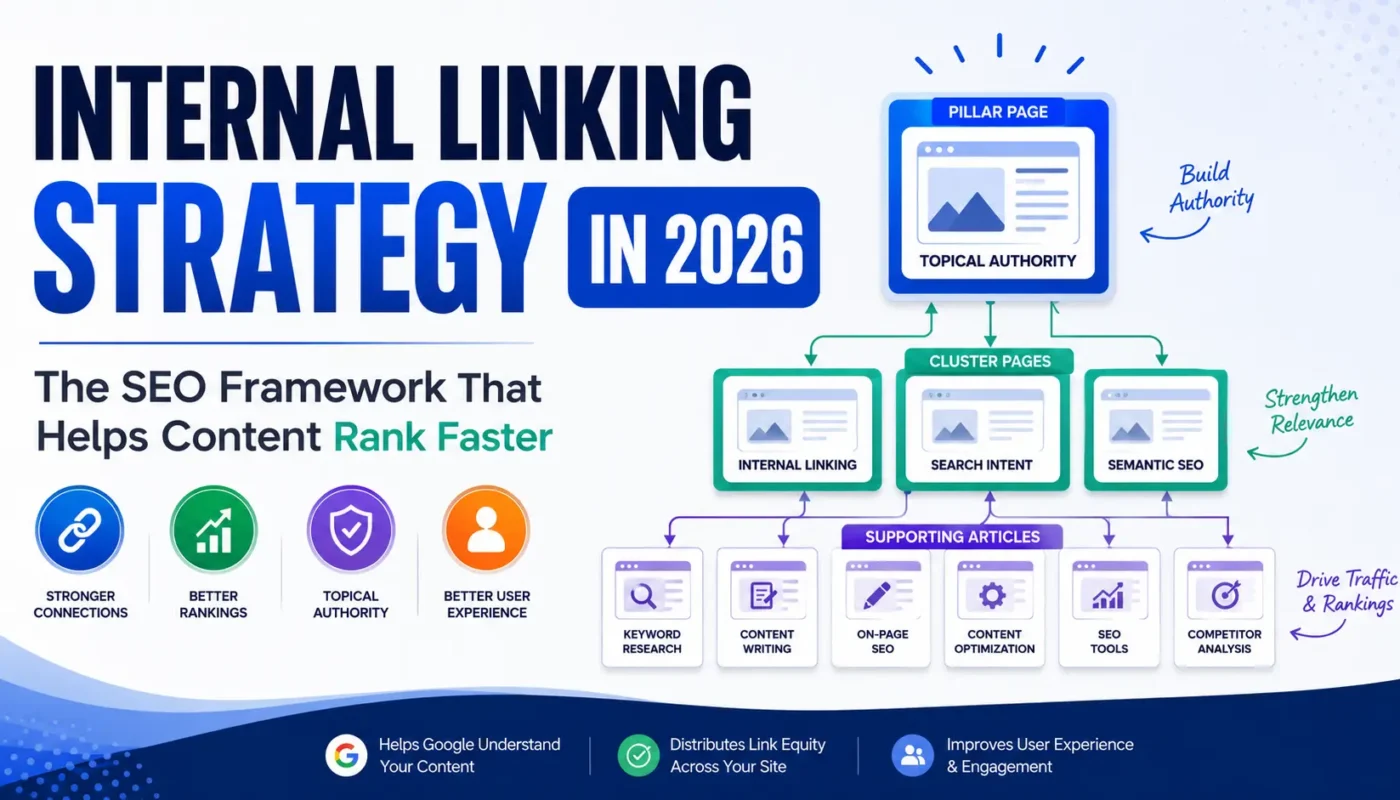
The integration of AI-driven search suggests that the intent behind an inquiry is comprehended with near-human accuracy. Algorithms can compare somebody searching for a quick meaning and somebody trying to find a deep-dive tutorial. Material should be structured to serve these various levels of intent concurrently. Utilizing clear headings, bulleted lists, and executive summaries allows a single page to rank for various kinds of searches. This versatility is essential for catching traffic in urban business hubs where user needs are diverse and fast-paced.
Future-Proofing Material for industry growth
Long-lasting success in search requires an understanding of where the technology is headed. In 2026, the trend is toward even greater customization. Search results page are increasingly tailored to the specific user's history, place, and preferences. To remain relevant, content must be broadly reliable while still offering particular value to various audience segments. This is typically attained through dynamic content blocks that adjust based upon the user's profile. While this level of technical elegance was once reserved for tech giants, it is now a standard requirement for any website intending to control competitive keywords.
The dependence on third-party cookies has ended, resulting in the rise of first-party data as a ranking signal. Sites that have a direct relationship with their audience-- through newsletters, memberships, or direct interactions-- send out strong signals of relevance to online search engine. This community-building element of SEO is often ignored however is a major part of the 2026 algorithm. When users search for a brand name or a particular expert by name, it reinforces the entity's authority in its specific niche. In the wider region, the most effective digital properties are those that have actually constructed a loyal following independent of online search engine.
Building Durability Versus Algorithm Shifts
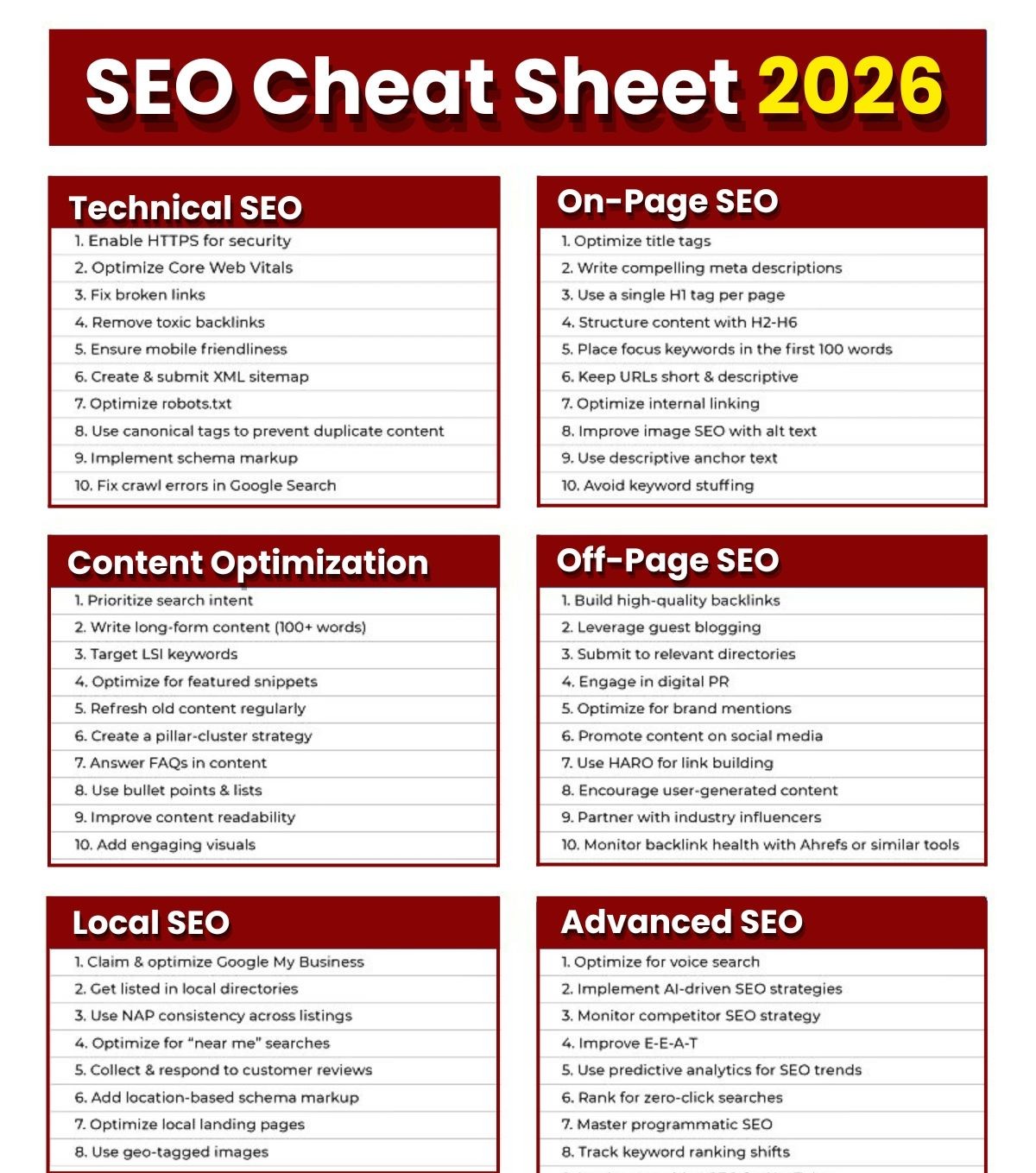
Algorithm updates in 2026 are more frequent and less predictable than in previous years. They frequently target particular behaviors rather than broad classifications of sites. The very best defense against these shifts is a "clean" profile that avoids any kind of adjustment. This includes preventing synthetic link networks, hidden text, or deceptive redirects. Search engines have ended up being extremely skilled at detecting these strategies, and the penalties in 2026 are typically long-term. Rather, the focus ought to stay on developing value that can not be replicated by automated tools. Initial idea, distinct point of views, and human experience are the only components that remain safe from being replaced by AI-generated content.
Success in the existing environment is a marathon of consistency. By focusing on the fundamentals of entity authority, technical accuracy, and data openness, it is possible to preserve high rankings for even the most competitive terms. The search results page in 2026 come from those who treat their digital presence as a living, breathing extension of their real-world proficiency. As search patterns continue to progress, the core concept stays the exact same: the most practical, precise, and available content will constantly find its way to the top.