Why Multi-Tier Methods Are Growing More Complex in 2026
Modern Authority Structures for Competitive Ranking in 2026
Ranking for high-competition search terms in 2026 requires a departure from the simple approach of getting scattered backlinks. Search algorithms have actually reached a level of elegance where they no longer just count votes. Instead, they examine the architecture of influence surrounding a page. This shift has actually made multi-tier link building a requirement for businesses in competitive markets wanting to secure top-tier exposure. The reasoning behind this approach depends on producing a buffer between the primary site and more aggressive marketing methods while concurrently pumping up the viewed importance of premium editorial placements.
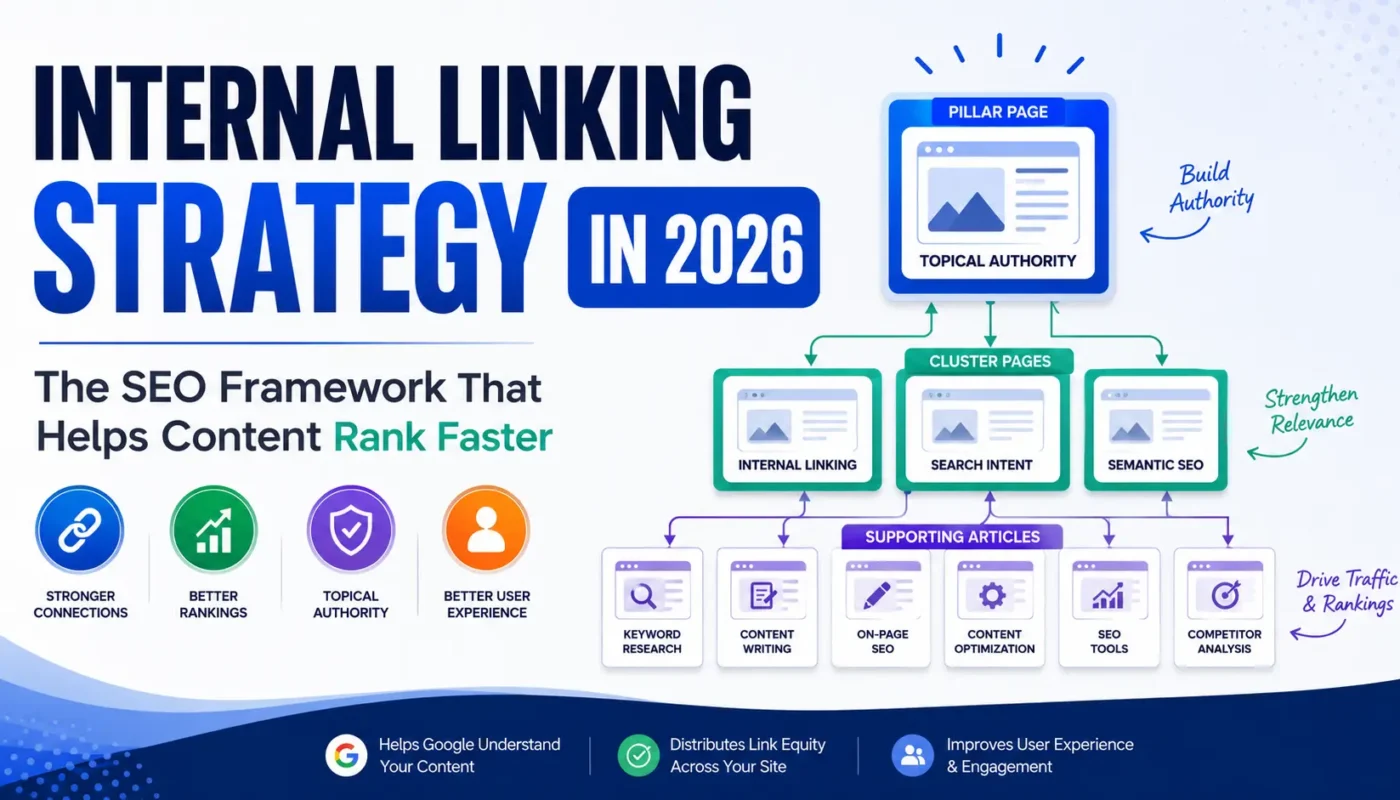
In the current environment, a single high-authority link from a significant publication typically sits dormant if it lacks its own supporting citations. This is where the multi-tier method alters the equation. By constructing secondary and tertiary layers of links, experts can guarantee that search crawlers focus on the main link, acknowledging it as a piece of material that is creating real discussion and interest. This approach mirrors natural viral development where a main source is pointed out by smaller blog sites, which are then shared across social platforms and forum threads.
Developing the Tier 1 Structure with Editorial Accuracy
The very first layer of any multi-tier structure in 2026 should be beyond reproach. These are the links that point straight to the target page, often referred to as the money site. These placements should come from aged domains with considerable organic traffic and high topical importance. In sectors like professional industries, a Tier 1 link requires to appear like an authentic editorial suggestion. This is not the place for faster ways. Every positioning should pass rigorous manual evaluation since these are the only connects the online search engine will directly connect with the brand.
Those who focus on Asia Virtual Solutions Diagrams often see faster indexing across their entire structure. The goal here is to get links from websites that online search engine currently trust implicitly. When a high-authority website in the surrounding region links to a business, it passes a particular kind of trust signal. The real power of this Tier 1 link is just realized when it is dealt with as a landing page for the next layer of the method. Rather than letting a visitor post being in isolation, specialists now treat that guest post as a secondary asset that needs its own SEO support.
Criteria for Tier 1 Placements
- Actual organic traffic: The website must rank for its own set of keywords.
- Topical positioning: The material should be closely related to the target page in the local area.
- Editorial control: Hyperlinks needs to be put within the body of a long-form post, not in sidebars or footers.
- Clean history: The domain must have no history of sudden traffic drops or manual charges.
Tier 2: The Contextual Power Layer
Tier 2 is where the heavy lifting takes place. These links do not point to business site directly. Rather, they point to the Tier 1 short articles. This serves 2 functions. Initially, it safeguards the primary website from any prospective algorithmic shifts that might target high-volume link structure. Second, it increases the "Page Authority" of the Tier 1 URLs. In 2026, a link from a page with its own backlinks is 10 times more reliable than a link from an orphaned page with no external support.
For a company providing specialized solutions, Tier 2 links may include niche-relevant article, premium directory listings, and active online forum involvements. The quality requirements for Tier 2 are a little lower than Tier 1, however they need to still maintain significance. Automated tools are sometimes utilized here, but with high-quality material filters to avoid the footprint of low-grade spun text. The goal is to develop a web of mentions that confirms the Tier 1 source. When search crawlers see dozens of different sources speaking about the Tier 1 short article, they classify that post as a significant resource.
Reliable information recommends that Asia Virtual Solutions Diagrams remains a main chauffeur for algorithmic rely on 2026. This layer of the method permits a more aggressive anchor text profile. While Tier 1 links need to mostly utilize top quality or naked URL anchors to maintain a natural profile, Tier 2 links can utilize more descriptive, keyword-rich anchors to help browse engines understand the exact subject of the Tier 1 page. This topical relevance then flows upward to the main site.
Tier 3: The Indexation and Velocity Engine
The third tier is the outermost gotten rid of from the primary website and focuses primarily on volume and crawl frequency. In 2026, search engines have actually ended up being far more selective about what they index to save money on computing resources. Numerous lower-level links never even make it into the search index, rendered ineffective. Tier 3 exists to fix this problem. These links indicate the Tier 2 links, developing a massive net that catches online search engine spiders and directs them through the layers.
This layer frequently includes social bookmarks, cloud-hosted pages, and mass social signals. While these links have extremely little individual worth, their collective impact is to develop "sound" around the Tier 2 layer. This noise signals to the search engine that the Tier 2 content is being shared and referenced, which sets off an indexing crawl. For a company in the broader market, this guarantees that every cent invested on Tier 1 and Tier 2 links in fact results in a boost to the main website's rankings. Without Tier 3, a large part of a link-building budget is typically squandered on links that the online search engine just disregards.
Managing the Link Speed
Timing is important when releasing these layers. Flooding a Tier 1 relate to 5 hundred Tier 2 links in a single day is a clear red flag. Successful operators in 2026 usage drip-feed systems. They may protect a Tier 1 link in week one, start including Tier 2 links in week 3, and start Tier 3 signals in week five. This staggered approach simulates the method material naturally acquires traction. It looks like a story that is gradually being discovered and enhanced gradually, which is precisely what search algorithms are developed to reward.
The Technical Shift in 2026 Link Evaluation
The way search engines evaluate links has actually moved towards a model based upon "Effective Power." This is a computation of just how much authority a link actually passes after accounting for the range from the seed set of trusted websites. Multi-tier structures are created to bridge this range. By connecting a new or mid-tier company website in the region to a high-authority seed website through several layers, business site is brought closer to the "circle of trust" that online search engine keep.
Another element acquiring prominence is the "Link Community." Online search engine look at the other sites that are being linked to from the very same pages. If a Tier 2 page links to a high-quality Tier 1 article and also to 3 other reliable sites, it is viewed as a handy resource. If it connects to the Tier 1 article and 10 pharmaceutical or gambling sites, it is flagged as part of a link farm. Keeping the area clean across all tiers is a mandatory part of the 2026 method.
Material Quality Throughout the Tiers
In previous years, Tier 2 and Tier 3 content could be nonsensical. In 2026, that is a recipe for failure. Natural Language Processing (NLP) models now scan the context of links at every level. If the content surrounding a link in Tier 2 is unimportant to the industry focus of the Tier 1 post, the link carries substantially less weight. Each piece of content, despite the tier, must be legible and topically consistent. Lots of agencies now use specialized AI designs to generate thousands of unique, topically pertinent paragraphs that keep this consistency without the high cost of manual writing for lower tiers.
This focus on content likewise uses to the anchor text. Rather of using the very same keyword consistently, modern structures utilize "Latent Semantic Indexing" terms. This implies using synonyms and associated phrases that someone would naturally utilize when discussing a particular subject. If the primary keyword is "emergency pipes," the tiers may utilize anchors like "pipeline repair work," "burst water line," or "24-hour technician." This range makes the backlink profile appearance human-made instead of machine-generated.
Threats and Security Margins
While multi-tier building works, it needs a high degree of company. The main risk is a "footprint." A footprint happens when a pattern in the link building ends up being apparent. This might be using the very same hosting company for all Tier 2 sites, using the exact same Google Analytics code, or perhaps having the same registration dates for the domains. Professional practitioners utilize diverse facilities to ensure that no 2 links can be easily traced back to the very same source. This includes utilizing different IP addresses, various CMS platforms, and a mix of domain extensions like.com,. internet,. org, and niche-specific TLDs.
Keeping track of the health of the structure is likewise a constant task. If a Tier 1 website loses its authority or gets penalized, the whole chain listed below it must be assessed. Sometimes, it is much better to "burn" a tier and start over than to let a poisonous link continue to point towards an important service asset. This is why numerous businesses in the regional sector prefer to deal with specialized providers who can handle these intricacies on their behalf, ensuring that the general quality of the profile stays high.
The Long-Term Outlook for Multi-Tier Techniques
As we move through 2026, the space in between standard SEO and innovative authority building continues to expand. Easy techniques may work for low-competition local terms, but for anything that drives considerable revenue, a more advanced technique is the only way to remain on the very first page. Multi-tier link building offers a method to scale authority securely and efficiently. It enables the aggressive pursuit of rankings while preserving a front-facing picture of pure, editorial-driven development. For any company severe about its digital existence, understanding and implementing these layers is no longer optional-- it is the structure of digital endurance.