Why Link Profiles Should Show Natural User Behavior Trends

Search Strategies for digital discovery in 2026
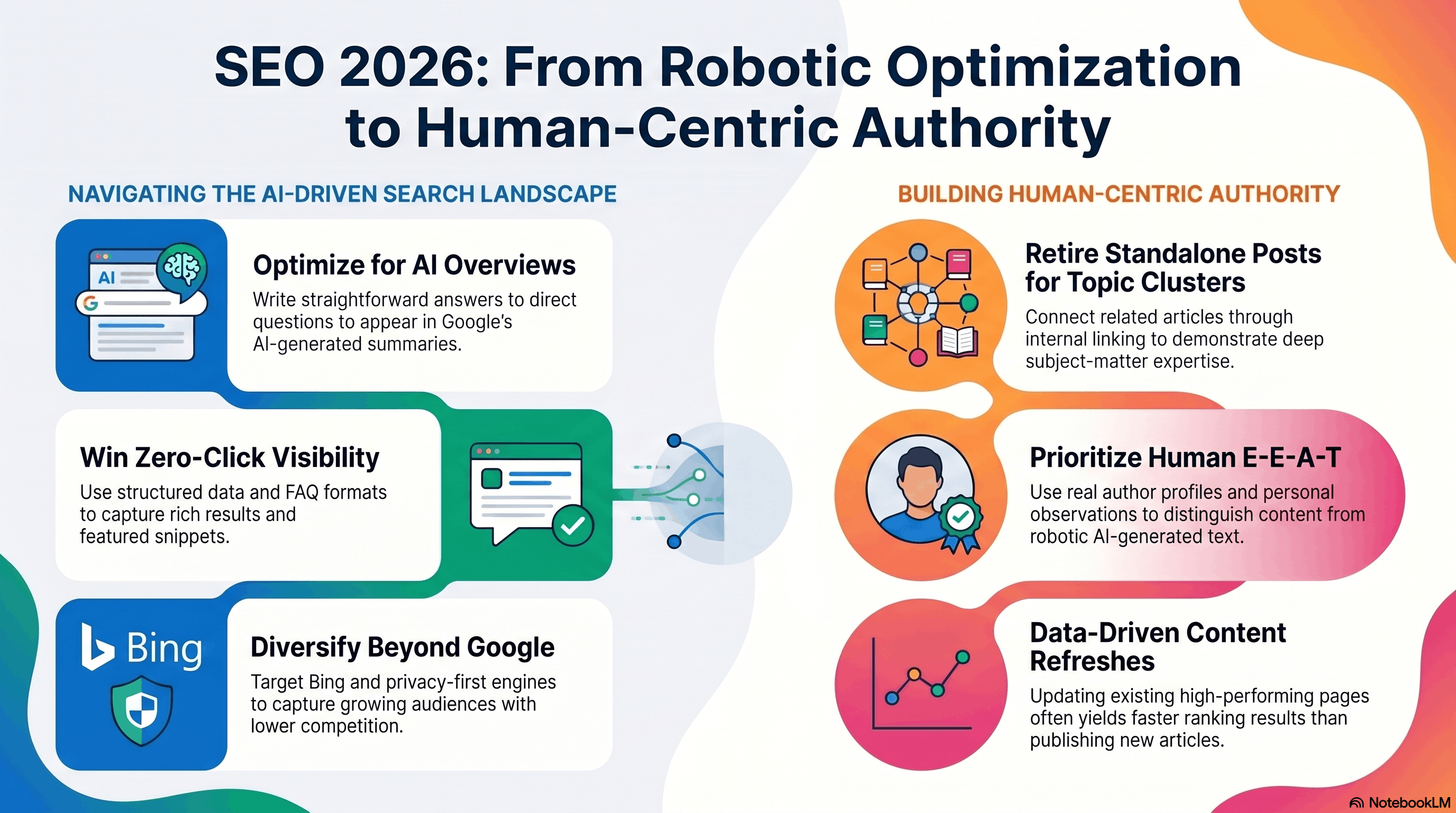
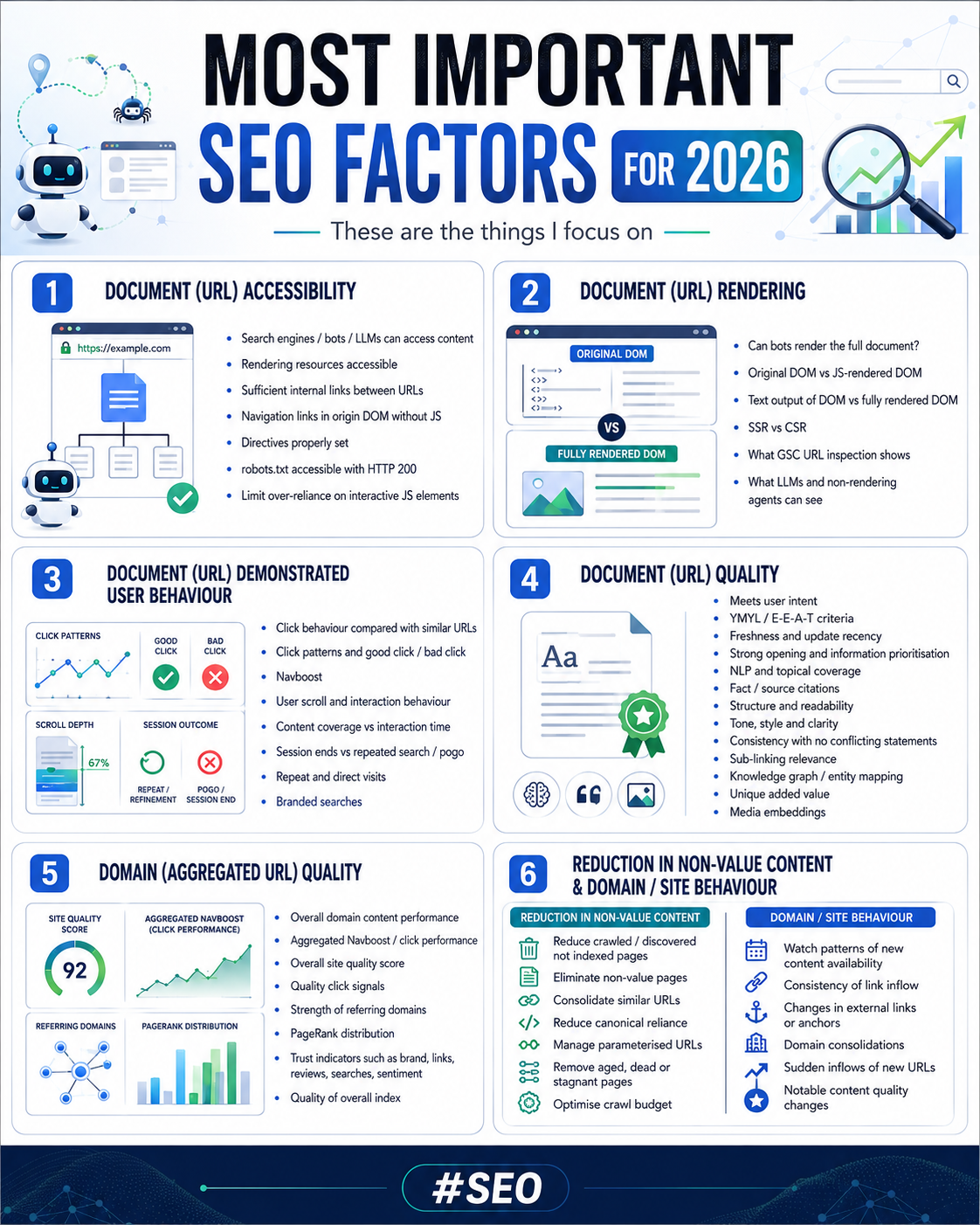
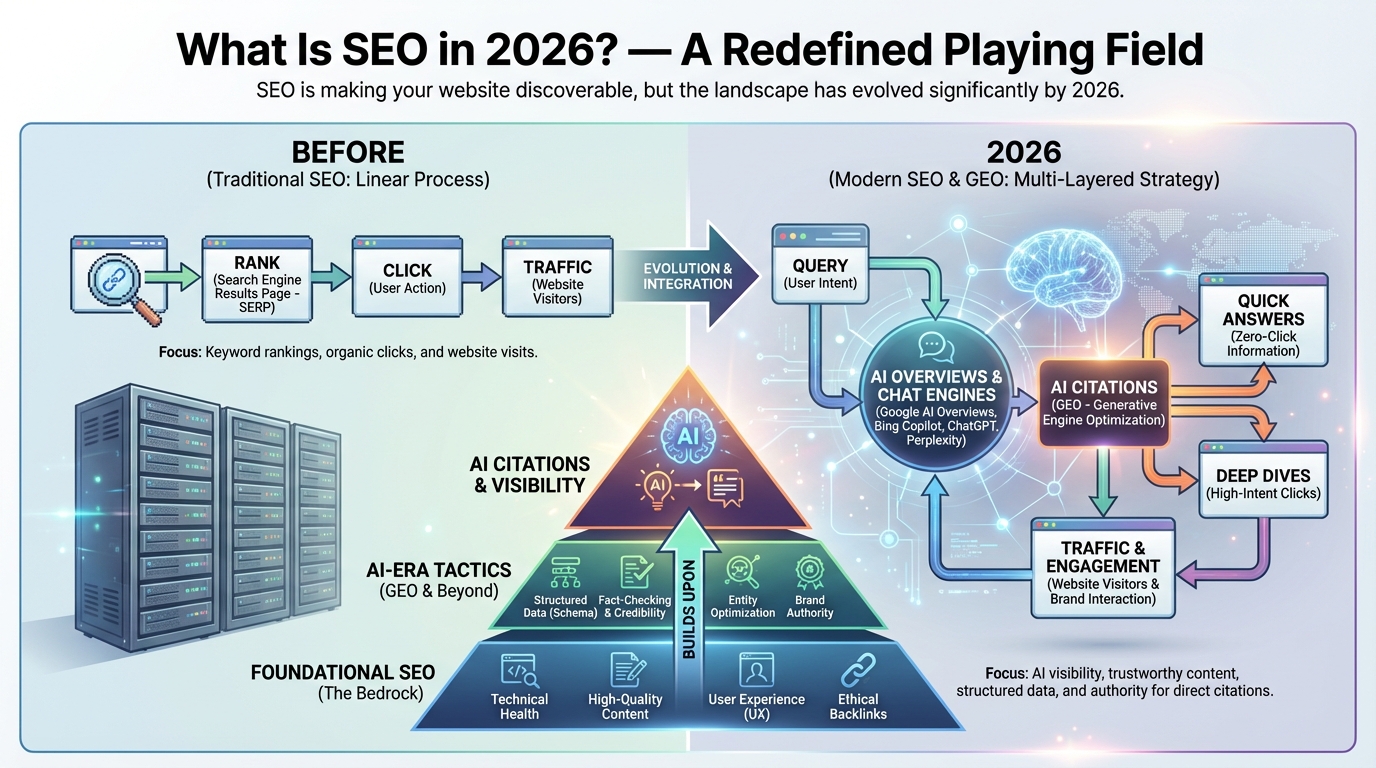
Ranking for competitive terms in 2026 requires a departure from the historic dependence on simple keyword matching. Browse engines have shifted their focus towards verifiable information stability and entity-based relationships. To preserve exposure, sites now need to show a direct connection to factual databases and real-world results. This shift suggests that high-level strategy focuses on how info is structured and verified rather than the number of times an expression appears on a page. The 2026 search environment focuses on precision over volume, making it needed for content developers to offer depth that surpasses the abilities of fundamental generative designs.
Competitive keywords in 2026 are often tied to specific intent clusters that algorithms identify through multi-modal analysis. This involves taking a look at text, video, and user interaction patterns concurrently. For organizations operating in competitive metropolitan areas, the competition for these clusters is strong. Success depends on developing a clear topical authority that algorithms can categorize without ambiguity. When an entity is plainly defined, it gets a trust score that buffers it versus minor algorithm updates. This stability is the goal for any long-lasting ranking task in the present year.
Comprehending Entity Authority in the modern market
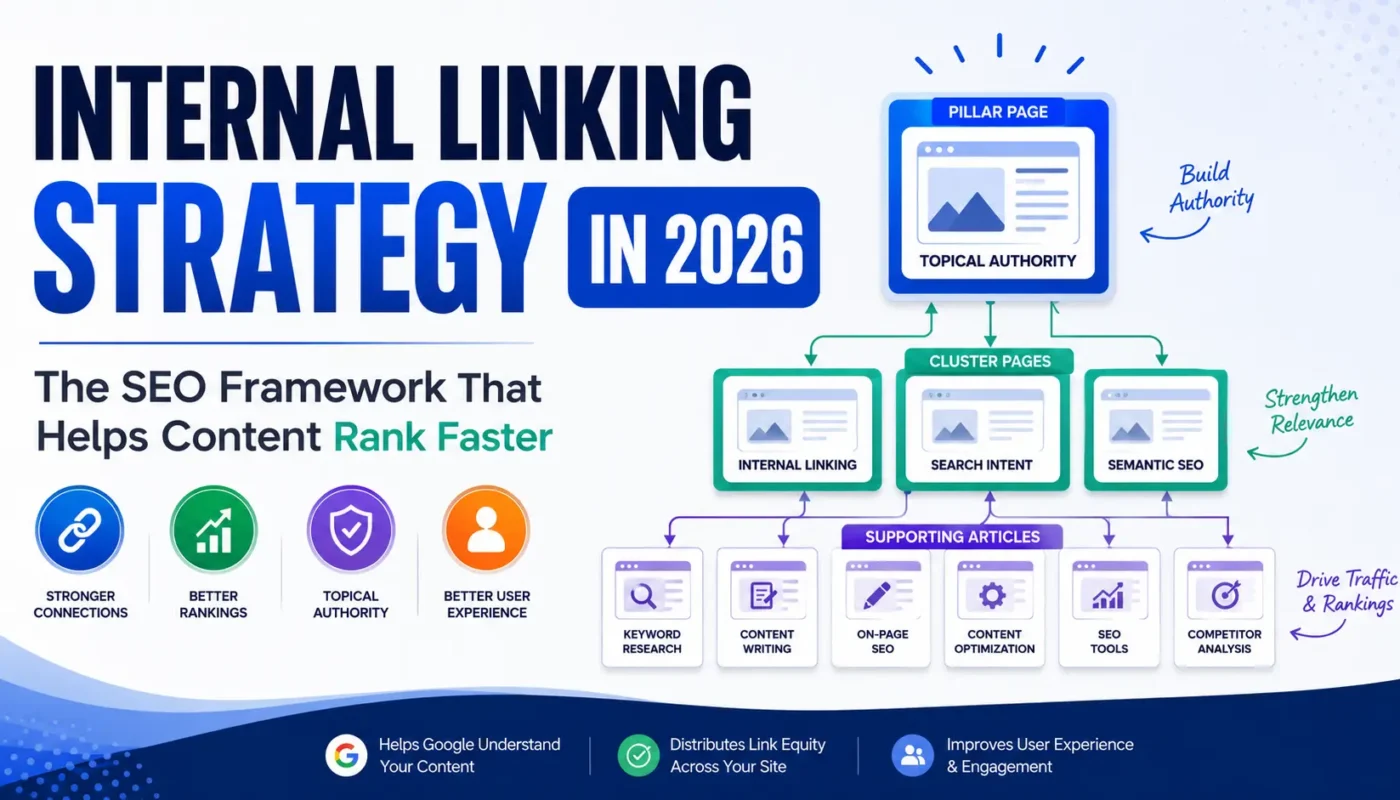
The principle of a keyword has been mostly changed by the concept of an entity. In 2026, online search engine see a website not just as a collection of pages, however as a digital representation of a particular authority. Structure this authority involves more than simply composing articles. It requires involvement in the more comprehensive information network through data citations and verified credentials. Organizations that prioritize expertise in Asia Virtual Solutions Top discover that their content ranks faster because the algorithm currently acknowledges their core competency. This recognition is built gradually through constant, high-quality contributions to a specific niche.
Algorithms now use cryptographic confirmation to confirm the identity of authors and the origin of data. This prevents the spread of false information and makes sure that the top areas on the search results page are scheduled for legitimate sources. In local regions, small and medium-sized operations should focus on these verification signals to take on bigger nationwide brands. By protecting regional citations and keeping a precise digital footprint, these entities can indicate their significance to geographically particular searches without requiring the huge spending plans of their competitors.
Prioritizing Data Precision and Source Openness
Transparency has actually become a primary ranking consider 2026. Users and algorithms alike demand to understand where information originates from. Material that consists of raw information, original research study, or direct quotes from confirmed experts carries more weight than manufactured summaries. For those involved in professional search services, this implies moving resources toward main research. Publishing initial findings creates a "source result" where other sites link back to the information, further solidifying the original site's authority. This method of making links is far more efficient than traditional outreach, as it depends on the intrinsic value of the info supplied.
Browse engines likewise track the "freshness" of data with severe precision. Information that was accurate six months ago may be obsolete today. Keeping a virtual library upgraded is a constant task. Automated systems now flag material which contains out-of-date stats or debunked theories, which can result in a rapid loss in rankings. Maintaining a high position for competitive keywords in 2026 requires an extensive upgrade schedule where every piece of content is evaluated for precision a minimum of as soon as per quarter. This ensures that the entity stays a trusted source of reality in an ever-changing information stream.
Technical Standards for web performance in 2026
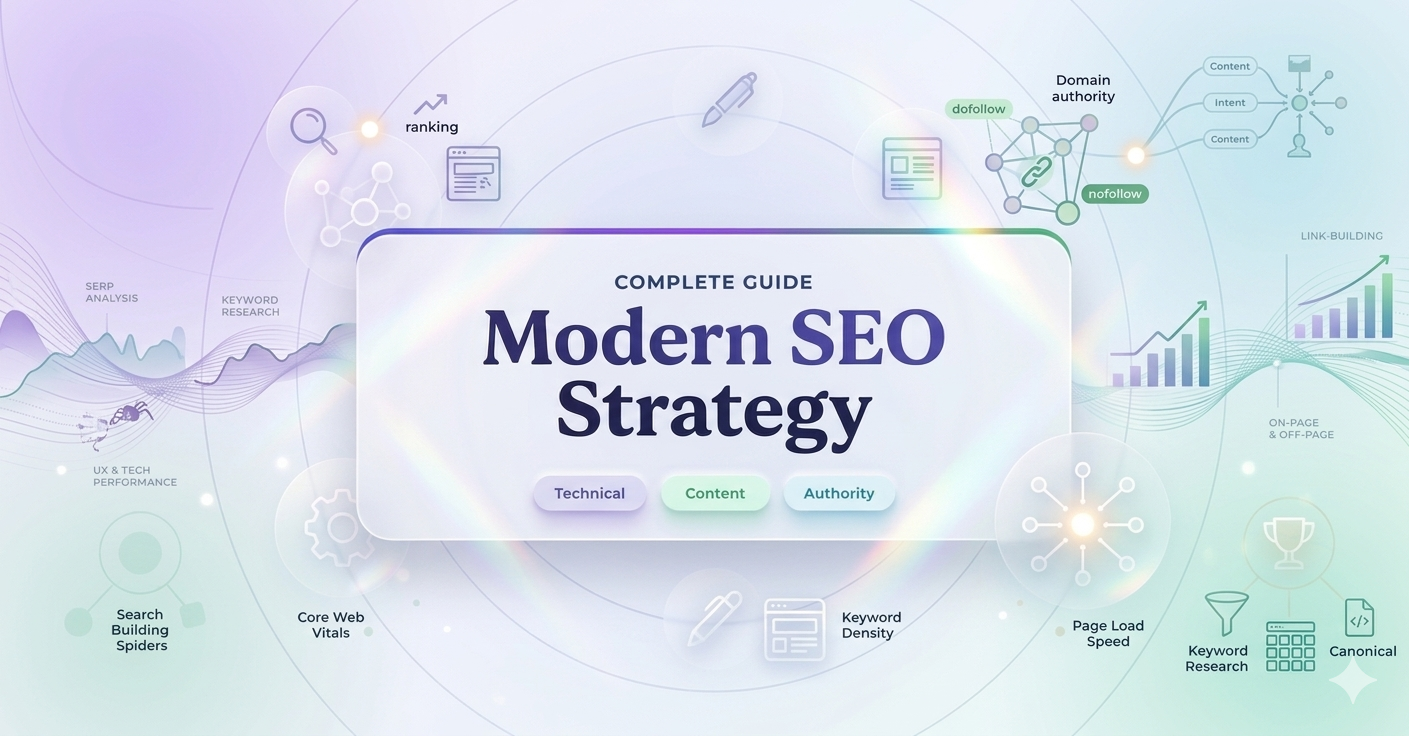
Technical SEO in 2026 is no longer about easy tags and sitemaps. It has actually progressed into a concentrate on data ease of access for both people and AI spiders. Website architecture must be designed to assist in "scrapeless" indexing, where search engines can pull specific information points without having to render the entire page. This is achieved through innovative schema markup and clean, semantic HTML. Sites that stop working to embrace these standards frequently find their content buried behind more accessible rivals. In the regional market, technical efficiency often ends up being the choosing aspect between 2 equally authoritative sources.
User experience signals have likewise become more granular. Algorithms now measure "job conclusion" rather than simply time on page or bounce rate. If a user finds the answer they need and moves on to the next step of their journey, the search engine views that as a success, even if the session was brief. This change benefits websites that supply clear, concise responses. Designing for Asia Virtual Solutions Top involves developing interfaces that allow users to find information with very little friction. This approach aligns with the current trend of online search engine serving as "response engines" that worth directness over long-form fluff.
Adjusting to Multi-Modal Search Intent
Browse is no longer a text-only experience. In 2026, a significant portion of inquiries is conducted through voice, image, or video-based interactions. Ranking for a competitive keyword now requires a presence throughout all these formats. A guide about specialized solutions need to consist of top quality video summaries and annotated images that can be indexed independently. This multi-modal approach makes sure that the material is visible despite how the user picks to browse. It likewise increases the opportunities of appearing in the "featured" areas of the search results page, which frequently aggregate different kinds of media into a single reaction.
The integration of AI-driven search means that the intent behind a question is understood with near-human accuracy. Algorithms can compare someone searching for a quick definition and someone searching for a deep-dive tutorial. Material should be structured to serve these various levels of intent simultaneously. Utilizing clear headings, bulleted lists, and executive summaries enables a single page to rank for different types of searches. This flexibility is vital for capturing traffic in urban business hubs where user requirements are varied and busy.
Future-Proofing Material for industry growth
Long-lasting success in search requires an understanding of where the innovation is headed. In 2026, the trend is toward even higher customization. Search results page are increasingly tailored to the individual user's history, area, and preferences. To stay pertinent, content need to be broadly reliable while still using particular worth to different audience sections. This is often accomplished through vibrant content blocks that change based on the user's profile. While this level of technical elegance was once scheduled for tech giants, it is now a standard requirement for any site intending to dominate competitive keywords.
The reliance on third-party cookies has ended, causing the increase of first-party data as a ranking signal. Sites that have a direct relationship with their audience-- through newsletters, memberships, or direct interactions-- send strong signals of relevance to browse engines. This community-building element of SEO is often ignored but is a major element of the 2026 algorithm. When users look for a brand or a particular professional by name, it enhances the entity's authority in its particular niche. In the wider region, the most effective digital residential or commercial properties are those that have built a faithful following independent of online search engine.

Building Durability Against Algorithm Shifts
Algorithm updates in 2026 are more frequent and less predictable than in previous years. They often target particular habits rather than broad classifications of sites. The very best defense versus these shifts is a "clean" profile that avoids any kind of adjustment. This includes preventing synthetic link networks, concealed text, or deceptive redirects. Online search engine have ended up being extremely proficient at spotting these methods, and the charges in 2026 are frequently permanent. Instead, the focus should remain on creating value that can not be reproduced by automated tools. Original thought, unique perspectives, and human experience are the only components that stay safe from being replaced by AI-generated material.
Success in the existing environment is a marathon of consistency. By focusing on the basics of entity authority, technical accuracy, and data transparency, it is possible to preserve high rankings for even the most competitive terms. The search results in 2026 come from those who treat their digital existence as a living, breathing extension of their real-world knowledge. As search patterns continue to evolve, the core principle stays the exact same: the most practical, accurate, and available content will always discover its method to the top.