The Professional Way to Deal With Quick Link Decline
Modern Authority Structures for Competitive Ranking in 2026
Ranking for high-competition search terms in 2026 requires a departure from the simplistic technique of getting spread backlinks. Search algorithms have actually reached a level of sophistication where they no longer simply count votes. Rather, they assess the architecture of impact surrounding a page. This shift has actually made multi-tier link developing a need for organizations in competitive markets aiming to secure top-tier exposure. The reasoning behind this technique counts on creating a buffer in between the primary site and more aggressive advertising methods while simultaneously inflating the perceived significance of premium editorial positionings.
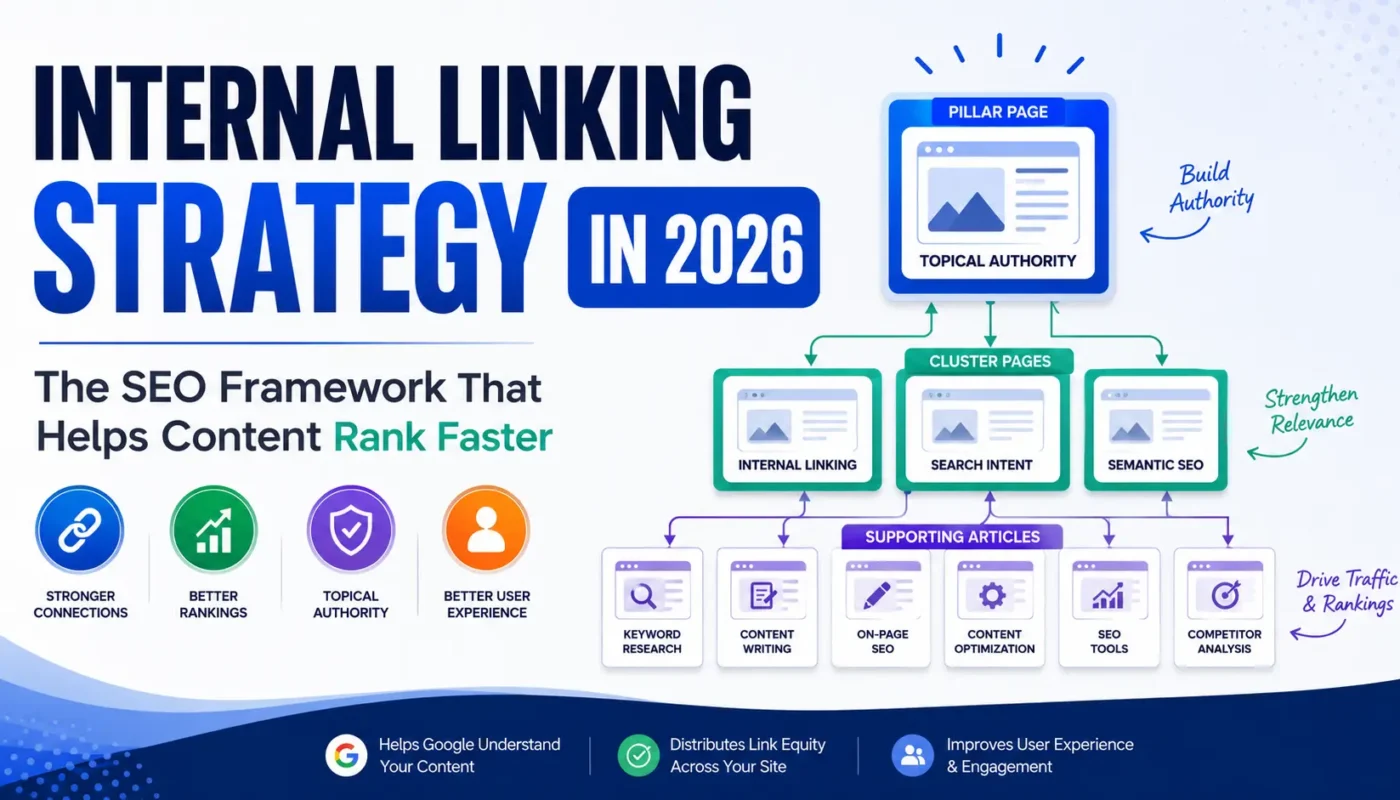
In the present environment, a single high-authority link from a major publication typically sits dormant if it lacks its own supporting citations. This is where the multi-tier method changes the equation. By developing secondary and tertiary layers of links, professionals can ensure that search spiders prioritize the main link, acknowledging it as a piece of material that is generating real conversation and interest. This method mirrors natural viral development where a primary source is cited by smaller blogs, which are then shared across social platforms and online forum threads.
Establishing the Tier 1 Foundation with Editorial Precision
The first layer of any multi-tier structure in 2026 should be beyond reproach. These are the links that point directly to the target page, often described as the cash website. These positionings ought to come from aged domains with considerable organic traffic and high topical importance. In sectors like professional industries, a Tier 1 link requires to look like an authentic editorial suggestion. This is not the place for shortcuts. Every positioning needs to pass stringent manual evaluation because these are the just links the online search engine will straight connect with the brand name.
Those who focus on Asia Virtual Solutions Linking often see much faster indexing throughout their whole structure. The objective here is to obtain links from websites that online search engine already trust implicitly. When a high-authority site in the surrounding region links to an organization, it passes a specific kind of trust signal. The real power of this Tier 1 link is just understood when it is treated as a landing page for the next layer of the strategy. Instead of letting a guest post being in seclusion, practitioners now treat that guest post as a secondary asset that requires its own SEO assistance.
Criteria for Tier 1 Placements
- Real natural traffic: The website should rank for its own set of keywords.
- Topical alignment: The material needs to be closely associated to the target page in the local area.
- Editorial control: Hyperlinks must be put within the body of a long-form article, not in sidebars or footers.
- Clean history: The domain should have no history of abrupt traffic drops or manual charges.
Tier 2: The Contextual Power Layer
Tier 2 is where the heavy lifting takes place. These links do not point to the business site straight. Instead, they point to the Tier 1 short articles. This serves 2 purposes. First, it secures the main website from any prospective algorithmic shifts that may target high-volume link structure. Second, it increases the "Page Authority" of the Tier 1 URLs. In 2026, a link from a page with its own backlinks is 10 times more efficient than a link from an orphaned page without any external assistance.
For a service offering specialized solutions, Tier 2 links may include niche-relevant blog posts, high-quality directory listings, and active forum participations. The quality requirements for Tier 2 are somewhat lower than Tier 1, however they must still keep significance. Automated tools are in some cases used here, however with high-quality content filters to prevent the footprint of low-grade spun text. The objective is to produce a web of mentions that confirms the Tier 1 source. When search crawlers see dozens of various sources talking about the Tier 1 article, they classify that post as a substantial resource.
Dependable data suggests that Asia Virtual Solutions Linking stays a primary motorist for algorithmic trust in 2026. This layer of the strategy permits a more aggressive anchor text profile. While Tier 1 links need to mainly utilize branded or naked URL anchors to maintain a natural profile, Tier 2 links can utilize more descriptive, keyword-rich anchors to help search engines understand the precise topic of the Tier 1 page. This topical significance then flows upward to the main site.
Tier 3: The Indexation and Velocity Engine
The third tier is the outermost eliminated from the primary site and focuses mostly on volume and crawl frequency. In 2026, online search engine have actually ended up being a lot more selective about what they index to minimize computing resources. Numerous lower-level links never ever even make it into the search index, rendered worthless. Tier 3 exists to solve this issue. These links point to the Tier 2 links, producing a huge net that captures online search engine spiders and directs them through the layers.
This layer often involves social bookmarks, cloud-hosted pages, and mass social signals. While these links have really little individual worth, their cumulative result is to develop "sound" around the Tier 2 layer. This noise signals to the search engine that the Tier 2 material is being shared and referenced, which activates an indexing crawl. For a company in the broader market, this ensures that every penny invested in Tier 1 and Tier 2 links actually leads to an increase to the main site's rankings. Without Tier 3, a large part of a link-building spending plan is typically wasted on links that the search engine simply overlooks.
Handling the Link Velocity
Timing is important when deploying these layers. Flooding a Tier 1 link with five hundred Tier 2 links in a single day is a clear red flag. Successful operators in 2026 usage drip-feed systems. They may protect a Tier 1 link in week one, begin adding Tier 2 links in week three, and start Tier 3 signals in week 5. This staggered technique mimics the method content naturally gains traction. It appears like a story that is gradually being discovered and amplified gradually, which is exactly what search algorithms are designed to reward.
The Technical Shift in 2026 Link Evaluation

The method online search engine assess links has actually approached a model based upon "Effective Power." This is a computation of just how much authority a link actually passes after representing the range from the seed set of relied on websites. Multi-tier structures are developed to bridge this distance. By linking a brand-new or mid-tier business website in the region to a high-authority seed website through numerous layers, the company website is brought better to the "circle of trust" that search engines keep.
Another aspect gaining prominence is the "Link Area." Search engines take a look at the other sites that are being connected to from the very same pages. If a Tier 2 page links to a high-quality Tier 1 post and also to three other trusted sites, it is seen as a practical resource. If it connects to the Tier 1 short article and 10 pharmaceutical or betting websites, it is flagged as part of a link farm. Keeping the community tidy across all tiers is a mandatory part of the 2026 technique.
Material Quality Throughout the Tiers
In previous years, Tier 2 and Tier 3 content might be ridiculous. In 2026, that is a dish for failure. Natural Language Processing (NLP) models now scan the context of links at every level. If the material surrounding a link in Tier 2 is unimportant to the industry focus of the Tier 1 article, the link carries significantly less weight. Each piece of material, regardless of the tier, need to be legible and topically consistent. Many firms now utilize specialized AI models to produce thousands of special, topically appropriate paragraphs that maintain this consistency without the high expense of manual composing for lower tiers.
This concentrate on content likewise uses to the anchor text. Rather of using the same keyword consistently, modern-day structures use "Hidden Semantic Indexing" terms. This suggests using synonyms and associated expressions that somebody would naturally use when talking about a particular subject. If the main keyword is "emergency plumbing," the tiers might use anchors like "pipeline repair work," "burst water line," or "24-hour specialist." This variety makes the backlink profile appearance human-made rather than machine-generated.
Threats and Security Margins
While multi-tier structure is effective, it needs a high degree of company. The primary danger is a "footprint." A footprint happens when a pattern in the link building becomes obvious. This could be using the very same hosting service provider for all Tier 2 sites, utilizing the same Google Analytics code, or even having the same registration dates for the domains. Expert professionals use varied infrastructure to make sure that no two links can be quickly traced back to the same source. This involves using various IP addresses, numerous CMS platforms, and a mix of domain extensions like.com,. web,. org, and niche-specific TLDs.
Monitoring the health of the structure is also a continuous task. If a Tier 1 site loses its authority or gets punished, the whole chain listed below it should be examined. In many cases, it is much better to "burn" a tier and start over than to let a poisonous link continue to point toward an important service asset. This is why lots of organizations in the regional sector choose to work with specialized suppliers who can handle these intricacies on their behalf, ensuring that the general quality of the profile remains high.
The Long-Term Outlook for Multi-Tier Methods
As we move through 2026, the gap in between basic SEO and innovative authority structure continues to expand. Simple strategies may work for low-competition local terms, however for anything that drives considerable revenue, a more sophisticated method is the only method to remain on the first page. Multi-tier link structure offers a method to scale authority securely and effectively. It enables the aggressive pursuit of rankings while maintaining a front-facing picture of pure, editorial-driven development. For any service major about its digital presence, understanding and carrying out these layers is no longer optional-- it is the structure of digital endurance.