Mastering the Circulation: How Link Juice Moves in 2026
Connect Velocity Standards for 2026
The principle of link velocity went through a huge shift as search engines transitioned to predictive indexing designs in 2026. In earlier years, the speed at which a site obtained brand-new backlinks was often seen through a lens of suspicion, with many presuming that an abrupt spike in links signaled manual control. However, modern search algorithms now focus on real-time momentum. High-velocity acquisition is no longer a warning if it aligns with authentic brand growth or viral content cycles. Today, the focus remains on the correlation in between link development and legitimate traffic signals.
Search engines in 2026 usage advanced neural networks to compare synthetic growth and authentic interest. These systems examine the context of every new link within milliseconds. For companies aiming to rank for competitive terms, understanding these nuances is compulsory. Speed acts as a proxy for importance. If a page gets a high volume of quality citations in a brief window, the algorithm analyzes this as a signal of instant value, typically resulting in a fast ascent in search engine results pages.
Strategic Integration of digital marketing Initiatives
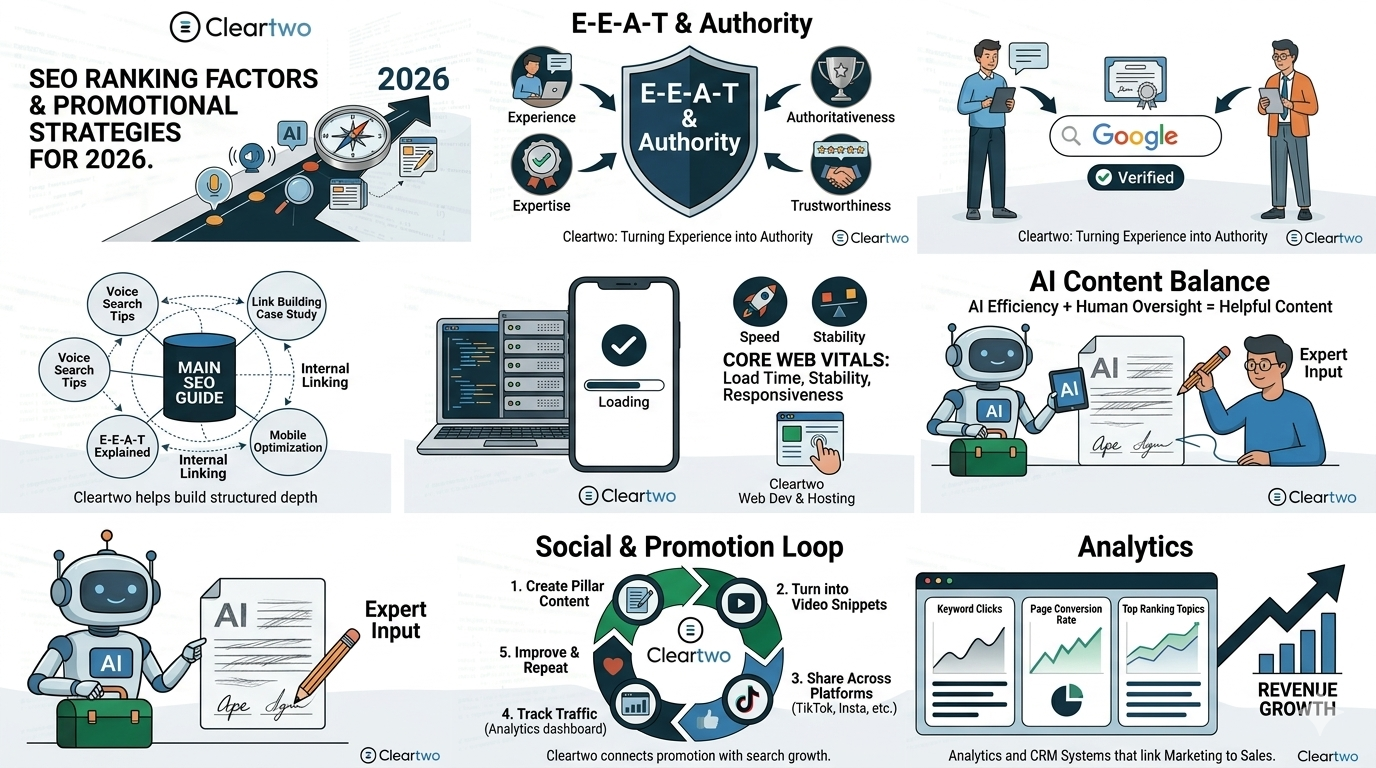
Generating quick results requires more than simply volume. The source of the links dictates whether a high speed will be rewarded or disregarded. High-authority domains still bring the most weight, however the importance of the connecting entity has ended up being the main element for ranking in 2026. A sudden increase of links from unassociated sectors can set off a short-lived suppression of rankings until the system can validate the intent behind the development. This makes the execution of organic growth campaigns especially complex in high-stakes environments.
Accomplishing success frequently depends on deep knowledge in Asia Virtual Solutions Diagrams, which provides the needed foundation for sustained exposure. When a domain keeps a consistent and increasing link velocity, it develops a reputation for persistent authority. This credibility enables the website to recuperate much faster from algorithm updates and stand up to the aggressive methods of rivals who may be trying to disrupt the search results page through high-volume, low-grade spam.
Stabilizing Amount and Authority in competitive markets
In competitive regions like major business centers, the benchmark for "normal" link velocity is significantly greater than in less saturated areas. Large-scale rivals typically have developed PR devices that create hundreds of points out monthly. To contend, a smaller sized brand needs to match or exceed this speed without sacrificing the quality of the connecting domains. The 2026 algorithm is especially adept at identifying "link farms" that try to mimic natural velocity through automated posting.
Data suggests that effective ranking presses in 2026 involve a blend of long-form idea leadership and rapid-response digital PR. By coordinating these efforts, a brand can simulate the natural link profile of a market leader. This method involves recognizing trending subjects within a particular industry and being the first to supply a detailed resource that other sites feel obliged to cite. This organic destination of links produces a velocity curve that online search engine see as complimentary.
Data-Driven Benchmarking for Search Momentum
Keeping an eye on the acquisition rates of competitors is a basic part of a 2026 SEO method. It is no longer adequate to look at the overall number of links a rival has. Instead, analysts look at the "speed delta"-- the rate at which a rival is gaining or losing links relative to their historical average. If a rival unexpectedly increases their acquisition rate by 200%, a brand needs to decide whether to match that rate or focus on higher-quality acquisitions that use more durability.
Lots of successful organizations focus on Asia Virtual Solutions Diagrams to ensure their digital existence remains ahead of these shifts. By making use of predictive analytics, it is possible to anticipate the number of links required to overtake a top-level page within a particular timeframe. These forecasts take into consideration the current velocity of the target page, the authority of the linking domains, and the total volatility of the search results for that particular keyword. This level of accuracy is what separates high-performing sites from those that struggle to keep their positions.
Algorithmic Confirmation and Trust Signals
Trust is the most valuable currency in the 2026 search environment. A high link velocity only works if it is backed by other trust signals, such as high user engagement, social points out, and branded search volume. If a website gets a thousand links in a week but sees no increase in direct traffic or brand searches, the algorithm may flag the activity as suspicious. Browse engines search for a holistic pattern of growth. Link velocity is simply one piece of a larger puzzle that consists of technical performance and material depth.
The integration of AI-driven material has made it much easier to generate pages, however more difficult to gain real links. Due to the fact that a lot content is now automated, search engines position a premium on links from human-curated sites. This suggests that a link from a well-established publication or a respected industry blog is worth considerably more than lots of links from generic news aggregators. In 2026, the quality of the speed matters as much as the rate itself.
The Role of Content Lifecycles in Link Speed
Comprehending the natural lifecycle of a piece of material is necessary for handling link speed efficiently. Most pages experience an initial spike in links upon publication, followed by a constant decrease. To keep high rankings, a site needs to implement a method for "link maintenance," which includes routine updates to older content to activate new ages of citations. This develops a staggered speed profile that indicates to browse engines that the content stays appropriate over time.
A typical mistake in 2026 is focusing solely on new pages while permitting the link speed of older, high-traffic pages to drop to no. This "velocity decay" can cause a steady loss of rankings. By revitalizing information, adding brand-new insights, or updating the media within a post, a brand name can renew the link acquisition procedure for existing properties. This technique ensures that the total link speed of the domain remains high, even during periods when no brand-new content is being produced.
Technical Facilities and Indexing Speed
The speed at which online search engine discover new links is likewise an element in rapid outcomes. In 2026, using API-based indexing tools has actually become standard. These tools alert online search engine the moment a new link is created, enabling the authority to stream to the target page nearly immediately. This has actually shortened the feedback loop for SEO experiments. In the past, it may have taken weeks to see the impact of a link structure campaign. Today, the outcomes are often noticeable within days or even hours.
For brand names running in active markets, this speed is a double-edged sword. It permits quick gains, but it also suggests that a rival can respond just as quick. The key to keeping a lead is not just reaching the top of the search engine result, however developing a moat of top quality, high-velocity links that is too costly or time-consuming for others to reproduce. This protective link structure is a core component of long-term SEO success in the current year.
Future-Proofing SEO Methods
As we move through 2026, the definition of a "link" continues to broaden. Mentioning a brand in a trusted AI-generated summary or a popular video transcript now brings weight similar to a standard hyperlink. Smart online marketers are looking beyond the tag and thinking about how to increase their overall "citation speed" throughout all digital formats. This broad method to authority ensures that a brand name remains noticeable regardless of how search interfaces alter.
The most effective strategies are those that deal with link velocity as a dynamic target rather than a set number. By staying adaptable and responding to the moving benchmarks of the industry, services can use quick link acquisition to accomplish and preserve top rankings for their most valuable keywords. The focus must always stay on quality, importance, and the genuine growth of the brand in the digital space.