Is High Link Velocity Always a Threat for New Sites?

Entity-Based Authority in 2026
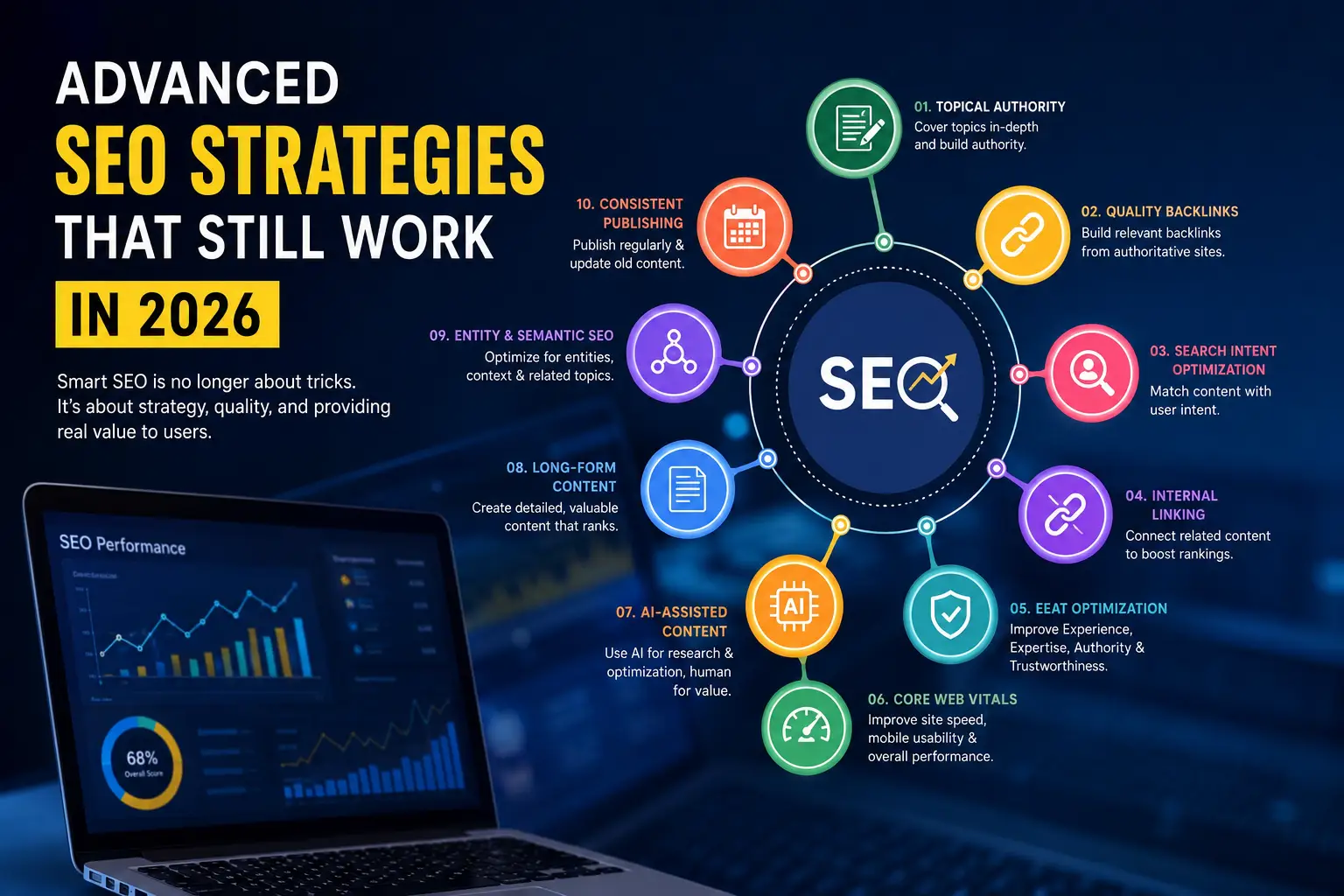
Authority in search results page has moved beyond basic link counts. In 2026, search engines prioritize how an entity is confirmed throughout the web. If a service provides specialized solutions in the local market, the algorithms check how often that brand appears alongside specific industry terms. These non-linked points out now bring weight due to the fact that they show real-world significance. Search systems now use advanced language designs to comprehend the relationship between a brand and its niche without requiring a direct hyperlink. This indicates that a mention in a regional news outlet or a trade journal can enhance rankings even if it does not connect back to the site.
Developing this kind of authority needs a focus on consistency. Information about the company need to be identical throughout all platforms. In the region, businesses that keep matching information on map services, expert directory sites, and social media profiles see better results. Online search engine deal with these constant information points as a signal that the organization is a genuine entity. This confirmation process is the structure of off-page optimization in 2026. Without a clear entity profile, even the most costly link-building efforts typically stop working to produce lasting results.
The Advancement of Link Quality and Context
The requirements for a high-quality link have actually altered substantially over the last couple of years. In the past, the authority of the linking domain was the primary metric. Today, the focus is on topical relevance and the behavior of the users who click those links. A link from a smaller sized, niche-specific blog site frequently provides more value than a link from a huge nationwide news site that has nothing to do with the industry. Search engines now track whether a link drives actual traffic and whether those users stay on the page. This shift has actually made many conventional link-building strategies outdated.
Successful brand names often allocate resources toward Asia Virtual Solutions Content to keep a competitive edge in their particular markets. By securing positionings on sites that are currently checked out by their target audience, they construct both authority and traffic. This approach ensures that the links look natural to search algorithms. Artificial link patterns are now related to high precision. The present technique involves finding websites that share a typical audience with the organization and providing worth to that audience through guest contributions or data-sharing partnerships.
Regional Authority in the Local Area
For businesses running in particular locations, off-page optimization is greatly tied to regional signals. In local districts, the competition for presence depends on being recognized as a community component. This acknowledgment comes from discusses in neighborhood blogs, local event listings, and regional service associations. Search engines utilize these signals to figure out if a company is genuinely active in its territory. Local significance serves as a filter that helps online search engine provide the most beneficial results to users in a specific geographic location.
Citations remain a part of this process, however they have actually developed. In 2026, the quality of a citation is more crucial than the amount. A reference on an extremely appreciated local platform in the local market is worth more than hundreds of low-quality directory site listings. Businesses need to look for collaborations with other regional companies. Sponsoring a neighborhood event or taking part in a regional charity drive can lead to mentions on reliable local domains. These signals are tough for competitors to duplicate and offer a strong structure for local rankings.
Brand Sentiment and Digital Credibility
Online search engine now evaluate the sentiment of reviews and online forum discussions to gauge the quality of a company. If positive feedback is consistent throughout the web, it acts as a strong off-page signal. Algorithms look at reviews on independent platforms and social networks comments to see if a brand name is relied on by its customers. This suggests that track record management is now a core part of off-page optimization. An organization that provides professional help must make sure that its customers are pleased and happy to share their experiences online.
Responding to feedback is another crucial aspect. When a company engages with its audience in a valuable manner, it indicates to online search engine that the entity is active and cares about its credibility. This engagement is frequently tracked throughout multiple platforms. In 2026, the volume of social points out and the tone of those points out are used to change ranking positions. A brand that is often talked about in a favorable light will naturally increase in search results page. This makes customer care and public relations important to the overall search strategy.
Digital PR as a Primary Strategy
Manual outreach has actually progressed into an advanced PR workout. Instead of requesting links, online marketers now provide unique information or insights that journalists and bloggers wish to utilize. This produces a natural link profile that is impossible to fake. A firm might carry out a study on market trends in the region and share the findings with local media. When those media outlets report on the research study, they naturally discuss and link to the source. This approach offers high-authority links and establishes the brand as an idea leader.
Keeping high standards in Asia Virtual Solutions Content ensures that a company stays visible to its target audience through these PR efforts. The objective is to create content that is so important that others wish to cite it. This might include initial research, detailed guides, or unique tools. In 2026, the search algorithms are excellent at determining content that was produced specifically to bring in links versus material that was developed to be useful. The latter is constantly rewarded with better rankings and more sustainable growth.
Information Synergy and API Mentions
As AI-driven search becomes more typical, the way off-page data is consumed has altered. Online search engine now pull information from various APIs to verify service details. This includes data from government computer system registries, professional licensing boards, and industry-specific databases. If a business offering technical solutions is noted in these official databases, it gets an additional layer of trust. This technical off-page optimization involves ensuring that business is correctly signed up which its details is available to these automated systems.
The use of structured information likewise extends beyond the site. Brands now utilize schema markup on third-party platforms whenever possible. This assists browse engines link the dots in between various mentions of the brand. In the surrounding area, this might indicate guaranteeing that a profile on an expert association website uses the exact same calling conventions and contact information as the primary site. This information synergy makes it much easier for algorithms to develop a complete image of the brand name and its authority in the regional market.
The Effect of Social Signals
While the direct ranking power of social media links is still debated, the indirect advantages are clear in 2026. Social platforms are where brand name awareness begins. When individuals see a brand pointed out on social networks, they are most likely to browse for it directly. This increase in top quality search volume is a massive signal to online search engine that the company is a leader in its field. For a business providing specialized help, an active social presence helps to drive this top quality search traffic.
In addition, social media is typically the top place where material goes viral. A post that gets shared widely on social platforms will become seen by bloggers and reporters, causing top quality backlinks. This cycle of visibility is a key part of the modern-day off-page plan. By creating shareable content and engaging with an audience in the local area, a service can create a causal sequence that leads to enhanced search rankings. The focus must be on constructing a neighborhood rather than simply transmitting messages.
Future-Proofing Off-Page Efforts
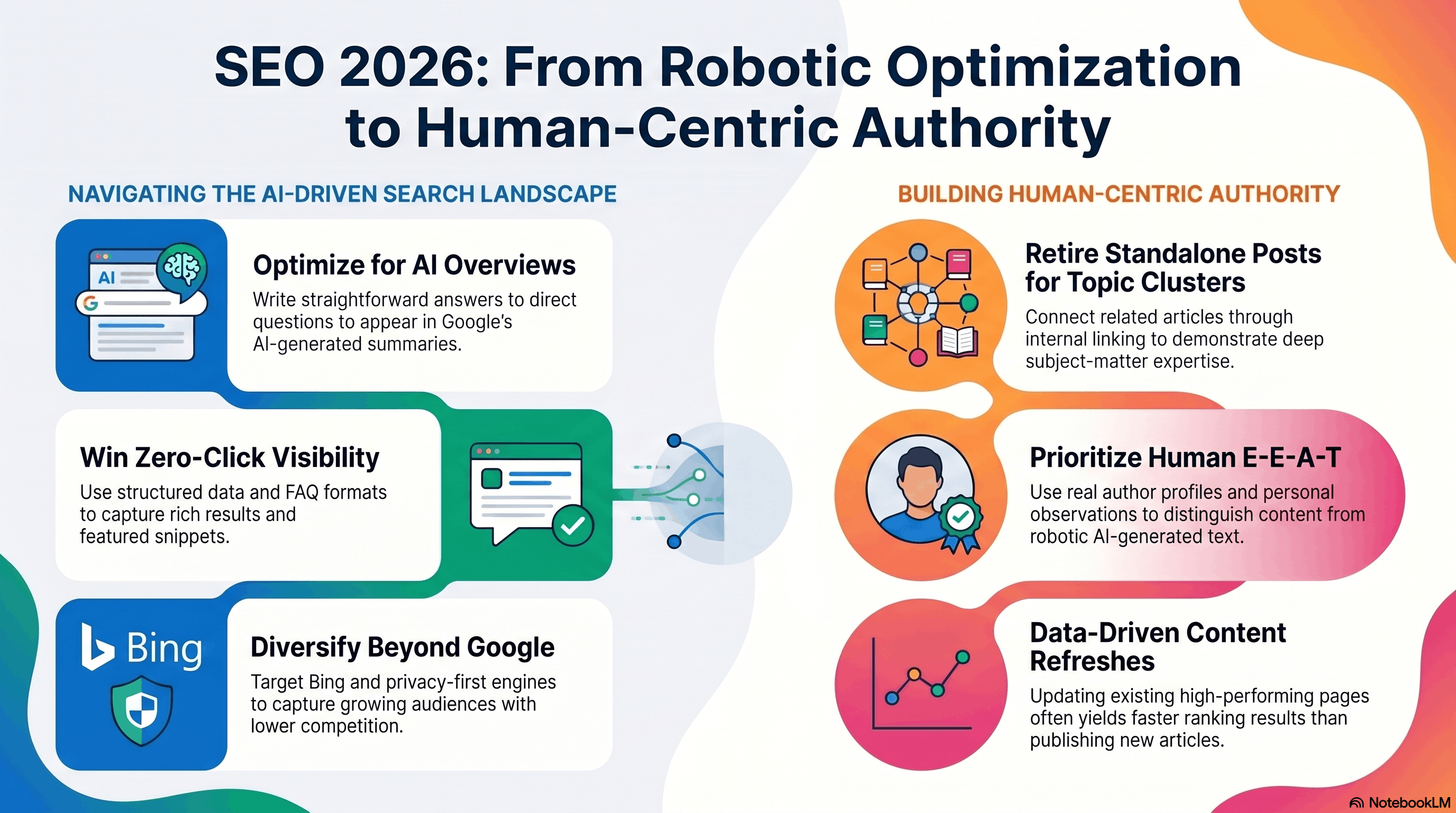
Looking ahead, the importance of human-centric signals will only grow. Browse engines are progressing at filtering out automated and low-grade content. This suggests that the most effective off-page strategies will be those that concentrate on real human interaction and authentic authority. Organizations in the local region must prioritize building relationships with their peers and their consumers. These real-world connections lead to the kind of digital footprints that online search engine worth most.
The reliance on industry trends allows businesses to adjust their methods as brand-new platforms emerge. Whether it is a new social network or an expert database, the concepts of consistency and relevance stay the exact same. By concentrating on being a useful and authoritative entity in the region, an organization can make sure that its off-page optimization stays efficient for several years to come. The era of shortcuts is over. The focus now is on constructing a brand that genuinely should have to be at the top of the search engine result.