How to Synchronize Link Structure Speed With Organic Development

The Shift from Domain Metrics to Entity Rely On 2026
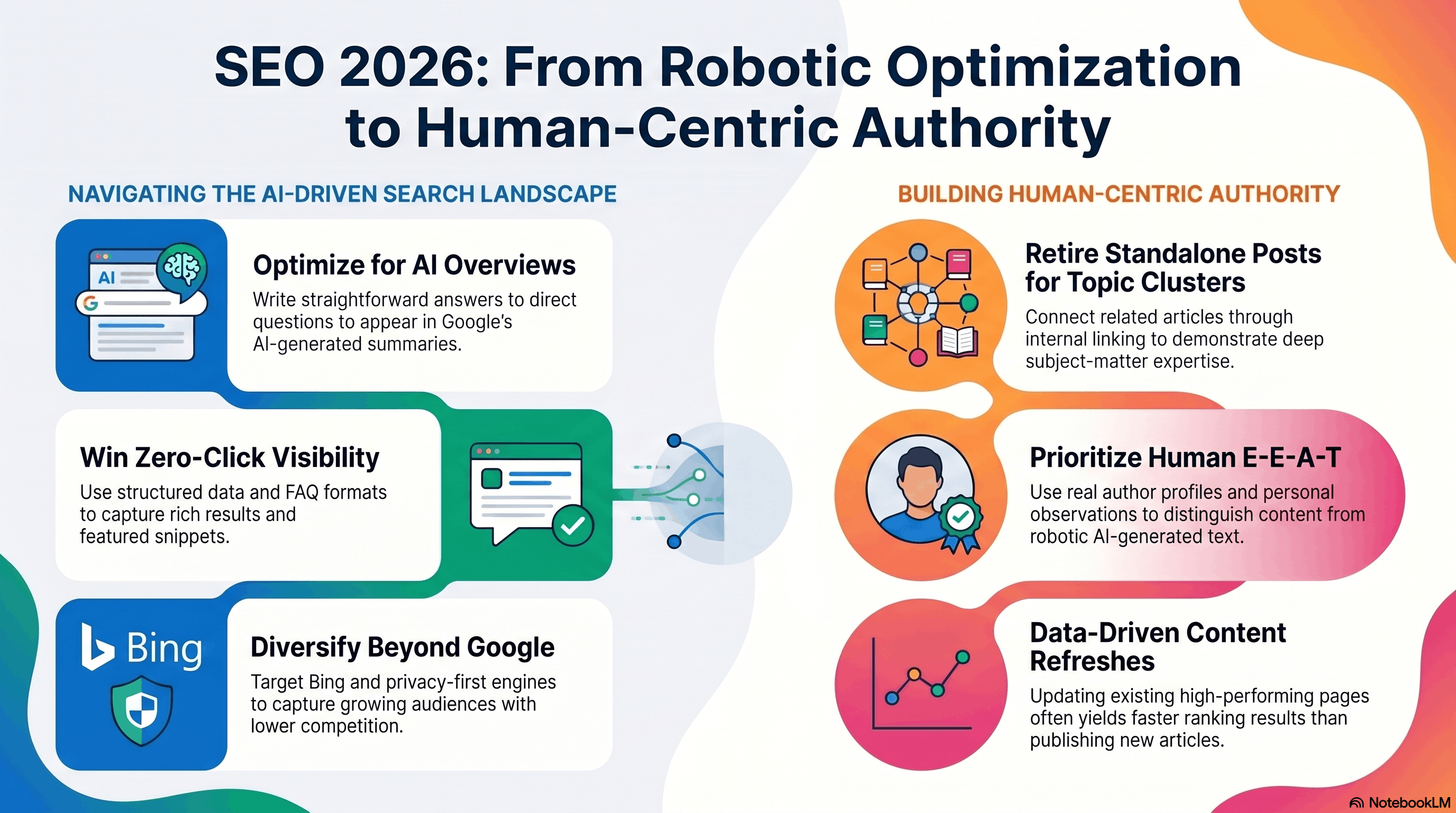
The principle of domain authority has gone through a massive modification over the last year. In 2026, online search engine no longer rely on simplistic third-party ratings to identify which websites should have the top spots for competitive keywords. Instead, the focus has actually approached entity trust and verified info gain. Authority is now a reflection of how well a domain acts as a conclusive source for a specific topic rather than how numerous backlink votes it has actually gathered from unassociated websites. This transition means that ranking in competitive markets needs a technique that surpasses conventional link building.
Search algorithms in 2026 prioritize domains that demonstrate a clear relationship between their material and real-world information. This is frequently referred to as the entity-attribute-value design. When a website supplies particular, proven realities that other websites do not have, its authority boosts. This is a departure from previous years when high-volume, generic material could keep rankings through large domain age. Now, the quality of details determines the weight of the domain. For those looking to improve their visibility, focusing on Asia Virtual Solutions Fast assists develop a structure that aligns with these algorithmic preferences.
Topical depth has changed the broad, shallow method that specified much of the early 2020s. A website can not just compose about whatever and anticipate to rank for everything. The 2026 search environment rewards domains that stay within their lane. If a website concentrates on digital strategy, it must cover every micro-topic within that specific niche to be viewed as an authority. This develops a topical map that the search engine utilizes to confirm the domain's knowledge. When a user look for a high-difficulty keyword, the engine searches for the domain with the most complete and accurate topical map.
Specifying Authority in the Age of Artificial Intelligence
Artificial intelligence has fundamentally changed how authority is determined. In 2026, online search engine use big language designs to scan the entire web for contradictions. If a domain consistently publishes info that opposes recognized realities or widely accepted research study without offering brand-new proof, its authority rating drops. This is a kind of automated fact-checking that occurs in real-time. High-ranking sites are those that offer "details gain"-- brand-new, unique viewpoints or information that can not be discovered somewhere else. This makes initial research and exclusive data better than ever previously.
The method links are valued has actually likewise changed. In 2026, a link from a small, extremely pertinent niche website is frequently more powerful than a link from a large, basic news website. The algorithm looks for "importance clusters." If a domain gets links from other entities within the same topical neighborhood, it validates that the domain is a reputable peer because field. This peer-to-peer confirmation is the new backbone of domain strength. Modern information recommends that Asia Virtual Solutions for Ranking Shortcuts provides a clear course for brand names that desire to develop this kind of authentic authority without resorting to outdated methods.
User interaction information serves as a last layer of confirmation. In 2026, the online search engine tracks how users communicate with a domain across numerous sessions. If users regularly go back to a site straight or browse for the brand name specifically, the domain's authority boosts. This "brand affinity" signal is tough to fake. It tells the engine that the domain is a location, not just a landing page. This shift highlights the requirement for a strong brand name identity that resonates with the target market in the local region.
Technical Foundations and Authority Signals
Technical performance is no longer a separate optimization category; it is a core element of domain authority. In 2026, search engines view a website's technical health as a proxy for its dependability. A domain that is slow, challenging to browse, or unattainable is viewed as untrustworthy. Speed and security are the baseline. Beyond that, the application of structured information has become a requirement for any website intending to rank for competitive terms. Structured data allows the online search engine to precisely recognize the entities pointed out on a page, which feeds directly into the entity trust model.
The interaction in between mobile performance and authority has likewise deepened. With the bulk of international searches happening on mobile phones, a domain's "mobile authority" is now its primary authority. If a site fails to supply a flawless experience on the newest 2026 mobile hardware, its rankings for competitive keywords will suffer despite its backlink profile. This includes everything from touch-target spacing to the efficient loading of high-resolution assets. Quality technical upkeep in the modern digital space ensures that the domain authority made through content is not lost on a bad user experience.
Verified Identities and Personal Experience
The "Experience" part of E-E-A-T has become the most substantial differentiator in 2026. Online search engine now try to find proof of first-hand experience. This is frequently verified through the digital footprints of the authors. A post about professional consulting carries more weight if the author has a verified history of working in that industry. Online search engine cross-reference author names with expert social networks, patent databases, and conference speaking engagements. This "Author Authority" is then passed on to the domain.
Confidential or AI-generated content without human oversight has lost its ability to rank for competitive terms. While AI is used to help in content development, the final output needs to be connected to a verified human identity. This prevents the web from being flooded with low-quality, repetitive content. In 2026, a domain's authority is efficiently the sum of the authority of its factors. This motivates brand names to work with subject specialists rather than generalist copywriters. The outcome is a more trustworthy search results page for completion user, which is the ultimate objective of the service company.
Personal privacy and information security also contribute in authority. Domains that have a history of data breaches or that usage aggressive, invasive tracking approaches see their trust scores diminished. In 2026, being a "excellent digital person" is a ranking factor. Online search engine prioritize domains that appreciate user privacy and stick to the most recent international data policies. This produces a safer search environment and rewards companies that focus on the security of their consumers.
Winning Competitive Keywords in Large Markets
Ranking for high-volume keywords in 2026 requires a long-lasting commitment to topical authority. The days of "quick wins" are largely over. Competitive keywords are controlled by domains that have actually invested years constructing a track record for excellence. To complete, a brand-new or growing domain needs to find spaces in the existing details. This involves identifying "low-density" subtopics within a more comprehensive niche. By becoming the outright authority on these subtopics, a domain can ultimately go up the ladder to compete for the primary keywords.
The geographical context of authority has also ended up being more nuanced. For companies running in specific regions, regional authority is a subset of domain authority. A domain may be seen as a high authority for niche industries in one specific location but not in another. This is determined by local citations, local news points out, and user behavior within that area. Consistency across all local signals is important for keeping this local trust. In 2026, the search engine is incredibly excellent at identifying which domains are actually active and respected in their local neighborhoods.
Predictive Intent and Domain Efficiency
Online search engine in 2026 are significantly predictive. They do not just take a look at what a user is looking for now; they look at what the user will likely require next. Domains that provide an extensive "journey" for the user earn higher authority. This suggests having material that deals with the awareness, consideration, and decision stages of a subject. If a user can find whatever they require on a single domain, that domain is considered as a superior resource. This reduces the "pogo-sticking" result where users leap back and forth between search outcomes.
Domain authority is likewise affected by the "freshness" of the information. In fast-moving markets, a domain that hasn't updated its core content in six months is seen as less reliable than one that supplies weekly updates. The 2026 algorithm prioritizes present information, particularly for keywords connected to technology, finance, and health. Keeping a high authority requires a continuous cycle of auditing and refreshing existing content to ensure it stays the most accurate resource available. This dedication to precision is what separates the top-tier domains from the remainder of the pack.
Link Significance Over Volume
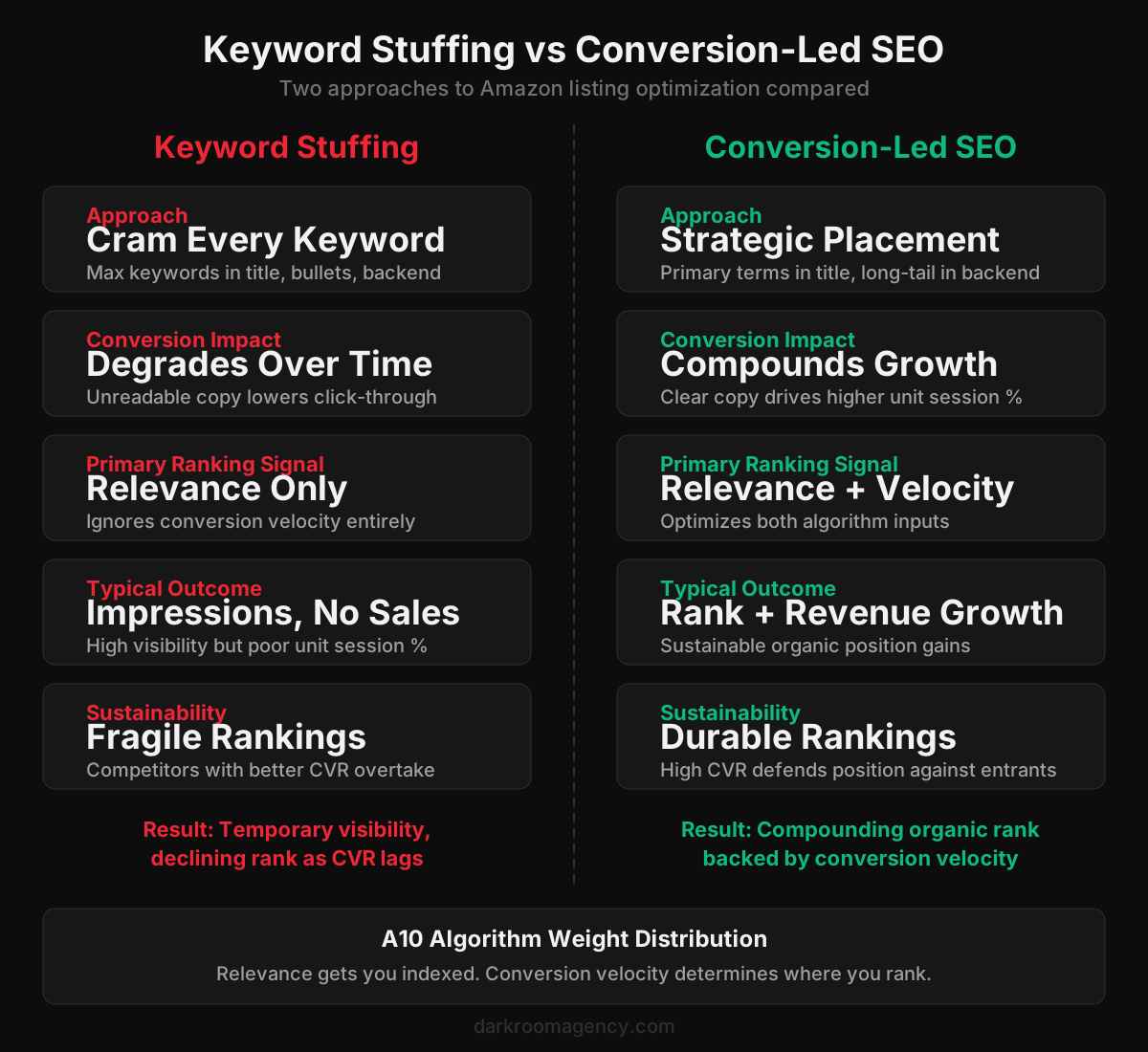
The final pillar of 2026 domain authority is the significance of the link graph. It is no longer about the number of links, however the "distance" in between the connecting domain and the target domain in the topical map. A link from a direct rival or a closely related industry peer deserves more than a hundred links from unassociated blogs. This has actually led to a more collective method to link building, where brand names concentrate on partnerships and real market mentions instead of cold outreach. The link chart in 2026 is a sophisticated web of expert relationships that reflects the real-world connections in between companies and professionals.
Techniques for ranking in modern markets should account for this shift towards quality. Successful domains focus on producing "linkable assets"-- tools, original studies, or deep-dive guides that others in the market naturally wish to recommendation. This natural link development is the greatest signal of authority a domain can send. It shows that the website is a leader, not a follower. As we move through 2026, the gap between truly authoritative domains and those trying to shortcut the system will just continue to broaden, making strategic material and technical excellence more vital than they have ever been.