How to Craft a Multi-Tier Technique That Really Converts
The Shift from Domain Metrics to Entity Trust in 2026
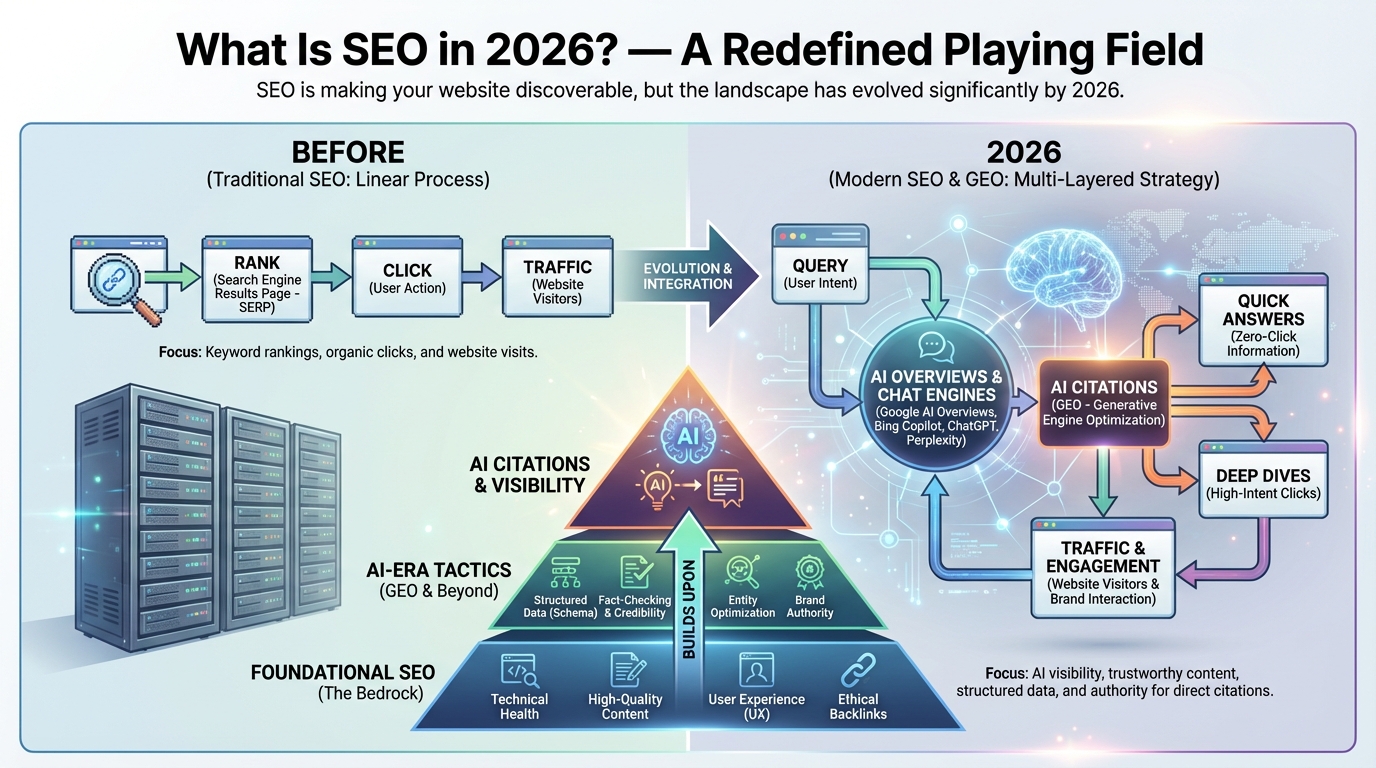
The principle of domain authority has gone through an enormous change over the in 2015. In 2026, search engines no longer rely on simplistic third-party ratings to figure out which websites deserve the top spots for competitive keywords. Instead, the focus has actually approached entity trust and verified information gain. Authority is now a reflection of how well a domain serves as a definitive source for a particular topic rather than the number of backlink votes it has gathered from unrelated sites. This shift suggests that ranking in competitive markets requires a strategy that goes beyond traditional link building.
Browse algorithms in 2026 prioritize domains that demonstrate a clear relationship in between their material and real-world information. This is often referred to as the entity-attribute-value design. When a site supplies specific, proven facts that other sites lack, its authority boosts. This is a departure from previous years when high-volume, generic material might keep rankings through sheer domain age. Now, the quality of info determines the weight of the domain. For those looking to enhance their exposure, concentrating on Asia Virtual Solutions Keys assists establish a foundation that aligns with these algorithmic choices.
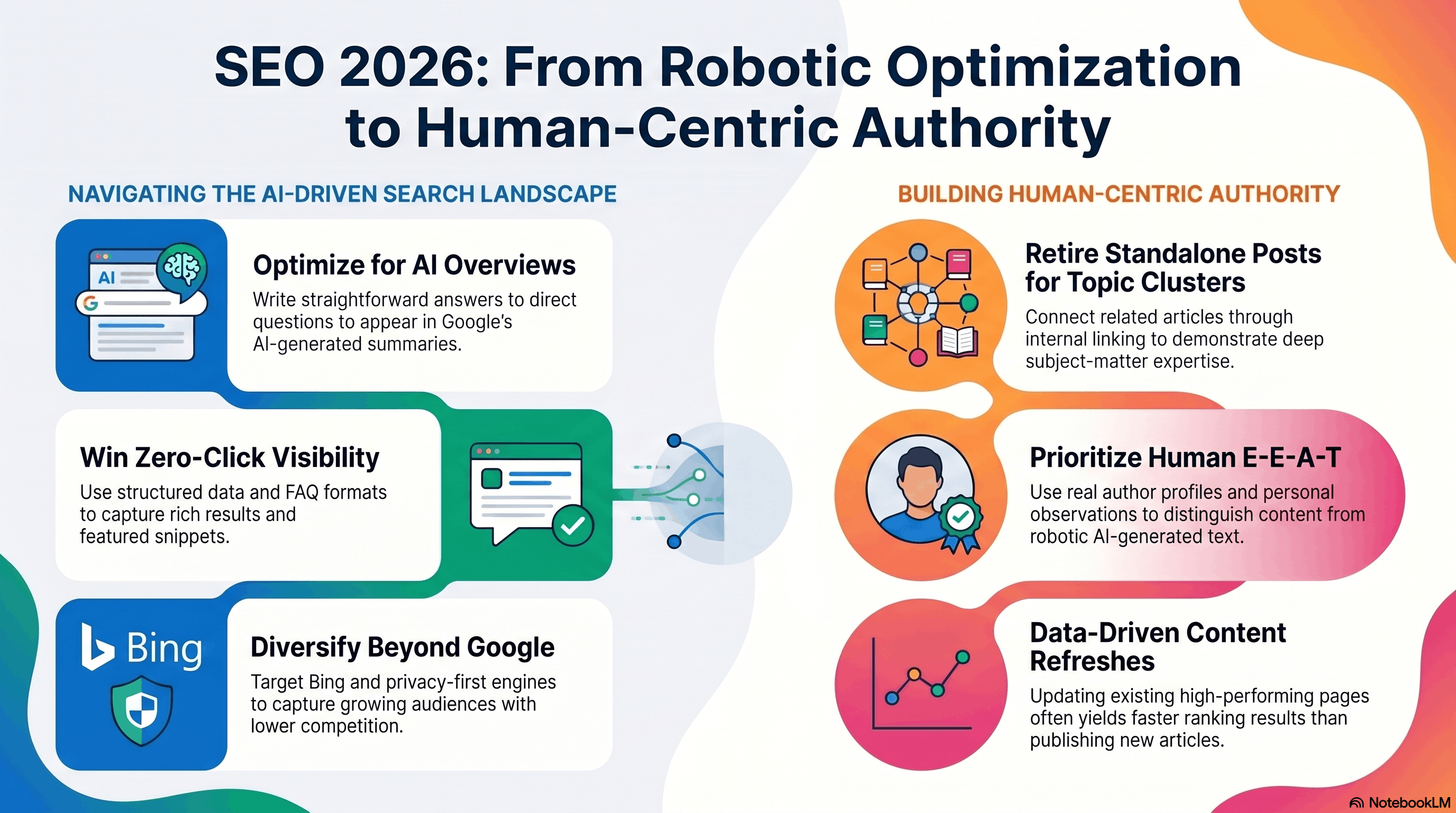
Topical depth has actually replaced the broad, shallow approach that specified much of the early 2020s. A website can not just write about everything and expect to rank for whatever. The 2026 search environment rewards domains that remain within their lane. If a website focuses on digital strategy, it must cover every micro-topic within that niche to be seen as an authority. This creates a topical map that the search engine uses to validate the domain's knowledge. When a user searches for a high-difficulty keyword, the engine searches for the domain with the most complete and accurate topical map.
Specifying Authority in the Age of Expert System

Expert system has essentially changed how authority is measured. In 2026, search engines use large language designs to scan the entire web for contradictions. If a domain consistently releases details that contradicts established realities or extensively accepted research without offering brand-new evidence, its authority rating drops. This is a type of automated fact-checking that happens in real-time. High-ranking sites are those that supply "details gain"-- brand-new, unique point of views or information that can not be discovered somewhere else. This makes original research study and exclusive data more important than ever previously.
The way links are valued has actually likewise altered. In 2026, a link from a little, extremely appropriate niche website is frequently more effective than a link from a large, basic news site. The algorithm searches for "importance clusters." If a domain gets links from other entities within the same topical neighborhood, it validates that the domain is a reputable peer because field. This peer-to-peer confirmation is the brand-new backbone of domain strength. Modern information recommends that Asia Virtual Solutions Key to SEO Success supplies a clear path for brands that want to develop this kind of authentic authority without resorting to out-of-date methods.
User interaction data acts as a final layer of verification. In 2026, the search engine tracks how users interact with a domain throughout multiple sessions. If users frequently go back to a site straight or browse for the brand name specifically, the domain's authority boosts. This "brand affinity" signal is hard to fake. It tells the engine that the domain is a destination, not simply a landing page. This shift emphasizes the need for a strong brand name identity that resonates with the target audience in the local region.
Technical Foundations and Authority Signals
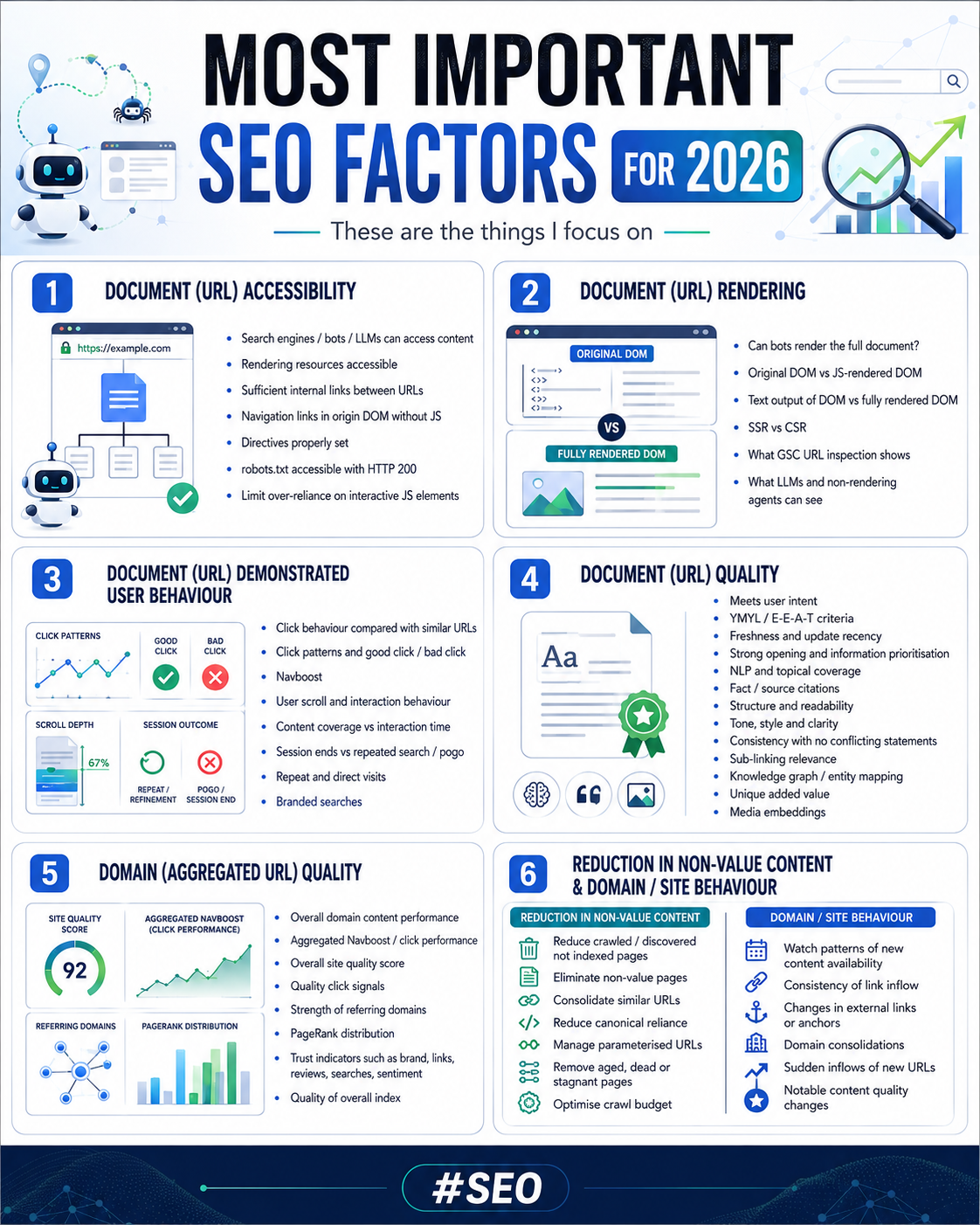
Technical efficiency is no longer a separate optimization classification; it is a core element of domain authority. In 2026, search engines view a website's technical health as a proxy for its dependability. A domain that is sluggish, tough to browse, or unattainable is seen as unreliable. Speed and security are the baseline. Beyond that, the implementation of structured information has ended up being a requirement for any site intending to rank for competitive terms. Structured data permits the search engine to specifically recognize the entities mentioned on a page, which feeds straight into the entity trust model.
The interaction between mobile performance and authority has actually likewise deepened. With most of international searches happening on mobile phones, a domain's "mobile authority" is now its main authority. If a website fails to supply a perfect experience on the current 2026 mobile hardware, its rankings for competitive keywords will suffer regardless of its backlink profile. This includes everything from touch-target spacing to the effective loading of high-resolution possessions. Quality technical maintenance in the modern digital space guarantees that the domain authority made through material is not squandered on a poor user experience.
Validated Identities and Personal Experience
The "Experience" part of E-E-A-T has ended up being the most significant differentiator in 2026. Online search engine now search for proof of first-hand experience. This is often verified through the digital footprints of the authors. An article about professional consulting brings more weight if the author has actually a confirmed history of operating in that market. Online search engine cross-reference author names with expert socials media, patent databases, and conference speaking engagements. This "Author Authority" is then passed on to the domain.

Confidential or AI-generated content without human oversight has lost its ability to rank for competitive terms. While AI is utilized to assist in content creation, the final output must be tied to a verified human identity. This prevents the web from being flooded with low-grade, repetitive content. In 2026, a domain's authority is successfully the amount of the authority of its contributors. This motivates brands to work with topic experts rather than generalist copywriters. The result is a more reliable search results page for completion user, which is the supreme objective of the company.
Privacy and information security likewise contribute in authority. Domains that have a history of data breaches or that usage aggressive, invasive tracking methods see their trust ratings lessened. In 2026, being a "excellent digital person" is a ranking element. Online search engine focus on domains that respect user privacy and stick to the most recent global information guidelines. This develops a much safer search environment and benefits services that focus on the security of their customers.
Winning Competitive Keywords in Large Markets
Ranking for high-volume keywords in 2026 requires a long-term commitment to topical authority. The days of "fast wins" are mostly over. Competitive keywords are controlled by domains that have actually invested years constructing a reputation for quality. To contend, a new or growing domain should find gaps in the existing information. This includes recognizing "low-density" subtopics within a more comprehensive specific niche. By ending up being the outright authority on these subtopics, a domain can ultimately go up the ladder to contend for the main keywords.
The geographic context of authority has also ended up being more nuanced. For services operating in specific regions, regional authority is a subset of domain authority. A domain may be viewed as a high authority for niche industries in one particular area however not in another. This is figured out by local citations, regional news mentions, and user behavior within that region. Consistency throughout all local signals is necessary for preserving this local trust. In 2026, the search engine is remarkably proficient at identifying which domains are really active and appreciated in their local communities.
Predictive Intent and Domain Efficiency
Online search engine in 2026 are progressively predictive. They don't just look at what a user is looking for now; they look at what the user will likely require next. Domains that supply an extensive "journey" for the user make higher authority. This indicates having material that addresses the awareness, factor to consider, and decision stages of a subject. If a user can find everything they need on a single domain, that domain is deemed a remarkable resource. This lowers the "pogo-sticking" result where users leap back and forth in between search results page.
Domain authority is also influenced by the "freshness" of the information. In fast-moving markets, a domain that hasn't upgraded its core material in six months is viewed as less authoritative than one that offers weekly updates. The 2026 algorithm focuses on current data, especially for keywords connected to technology, financing, and health. Keeping a high authority needs a constant cycle of auditing and rejuvenating existing material to ensure it stays the most accurate resource readily available. This commitment to accuracy is what separates the top-tier domains from the remainder of the pack.
Connect Relevance Over Volume
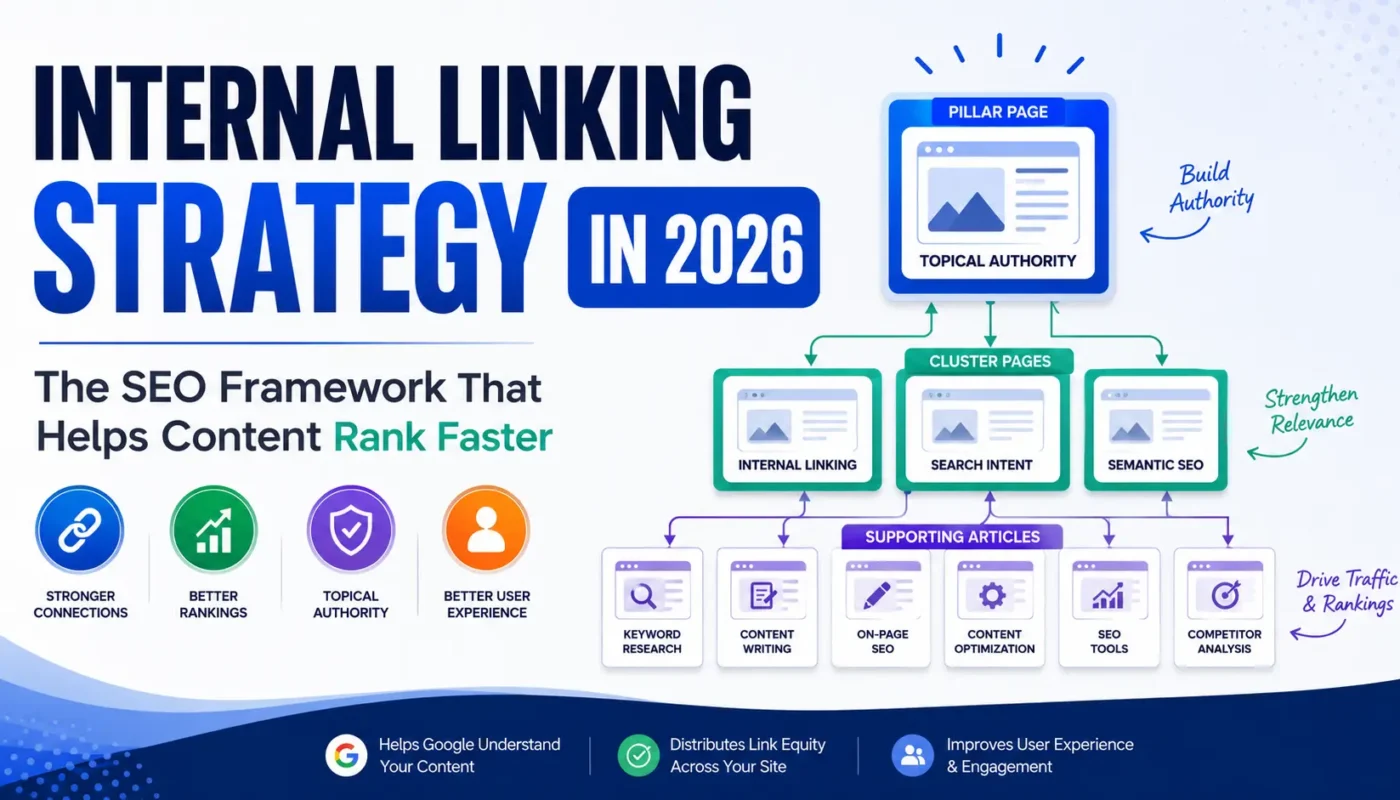
The final pillar of 2026 domain authority is the relevance of the link graph. It is no longer about the number of links, but the "range" between the connecting domain and the target domain in the topical map. A link from a direct rival or a carefully associated market peer deserves more than a hundred links from unassociated blogs. This has caused a more collective technique to link building, where brand names focus on collaborations and authentic industry mentions rather than cold outreach. The link chart in 2026 is a sophisticated web of expert relationships that shows the real-world connections in between organizations and specialists.
Techniques for ranking in modern markets must account for this shift towards quality. Successful domains focus on creating "linkable properties"-- tools, original research studies, or deep-dive guides that others in the industry naturally wish to referral. This natural link development is the strongest signal of authority a domain can send. It reveals that the website is a leader, not a follower. As we move through 2026, the gap in between really authoritative domains and those attempting to shortcut the system will only continue to expand, making tactical material and technical excellence more crucial than they have actually ever been.