How to Build a Penalty-Proof Multi-Tier Link Pyramid

Entity-Based Authority in 2026
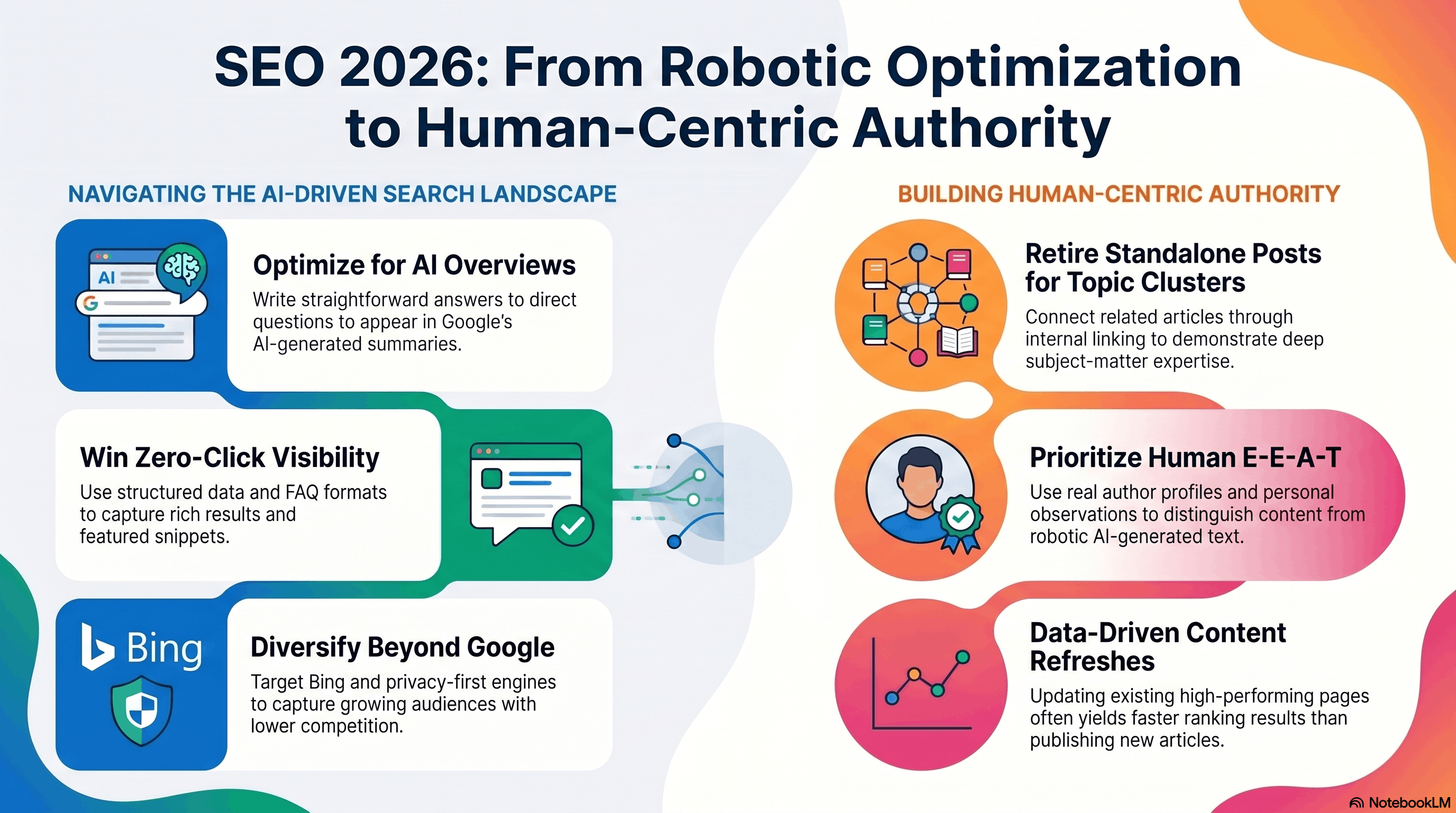
Authority in search engine result has actually moved beyond simple link counts. In 2026, search engines focus on how an entity is confirmed throughout the web. If a company uses specialized solutions in the local market, the algorithms check how frequently that brand appears together with particular market terms. These non-linked mentions now carry weight due to the fact that they prove real-world relevance. Search systems now use innovative language designs to comprehend the relationship between a brand name and its niche without requiring a direct hyperlink. This implies that a reference in a regional news outlet or a trade journal can enhance rankings even if it does not link back to the website.
Establishing this type of authority needs a concentrate on consistency. Details about the company should be identical across all platforms. In the region, services that preserve matching information on map services, expert directories, and social networks profiles see much better results. Online search engine deal with these consistent data points as a signal that business is a legitimate entity. This confirmation procedure is the foundation of off-page optimization in 2026. Without a clear entity profile, even the most pricey link-building efforts typically stop working to produce enduring results.
The Advancement of Link Quality and Context
The requirements for a premium link have actually altered significantly over the last few years. In the past, the authority of the connecting domain was the main metric. Today, the focus is on topical significance and the habits of the users who click those links. A link from a smaller, niche-specific blog frequently offers more worth than a link from a huge nationwide news site that has absolutely nothing to do with the market. Browse engines now track whether a link drives real traffic and whether those users remain on the page. This shift has actually made lots of conventional link-building methods obsolete.
Effective brand names frequently assign resources toward Asia Virtual Solutions Impact to keep a competitive edge in their particular markets. By protecting positionings on sites that are already gone to by their target audience, they develop both authority and traffic. This approach guarantees that the links look natural to browse algorithms. Synthetic link patterns are now related to high accuracy. The current technique involves finding websites that share a common audience with business and providing value to that audience through visitor contributions or data-sharing partnerships.
Regional Authority in the Local Area
For businesses operating in specific areas, off-page optimization is greatly connected to local signals. In local districts, the competitors for exposure depends on being recognized as a neighborhood component. This recognition originates from mentions in neighborhood blog sites, local event listings, and regional business associations. Online search engine use these signals to determine if a service is truly active in its territory. Regional relevance functions as a filter that assists search engines provide the most helpful results to users in a particular geographical area.
Citations remain a part of this process, however they have actually developed. In 2026, the quality of a citation is more essential than the amount. A mention on an extremely respected local platform in the local market deserves more than hundreds of low-quality directory site listings. Services should look for out partnerships with other regional companies. Sponsoring a community event or taking part in a regional charity drive can result in mentions on authoritative local domains. These signals are difficult for rivals to duplicate and supply a strong foundation for regional rankings.
Brand Sentiment and Digital Credibility
Online search engine now analyze the belief of evaluations and online forum discussions to assess the quality of a service. If positive feedback corresponds throughout the web, it acts as a strong off-page signal. Algorithms take a look at evaluations on independent platforms and social media remarks to see if a brand is relied on by its customers. This means that track record management is now a core part of off-page optimization. An organization that offers professional help need to make sure that its clients are pleased and going to share their experiences online.
Responding to feedback is another crucial factor. When a business engages with its audience in a helpful manner, it signals to online search engine that the entity is active and cares about its credibility. This engagement is typically tracked across multiple platforms. In 2026, the volume of social mentions and the tone of those discusses are used to change ranking positions. A brand name that is frequently talked about in a favorable light will naturally rise in search engine result. This makes client service and public relations important to the general search strategy.
Digital PR as a Primary Method
Manual outreach has evolved into a sophisticated PR exercise. Instead of asking for links, online marketers now offer special data or insights that journalists and blog writers desire to utilize. This creates a natural link profile that is difficult to phony. For instance, a firm may conduct a research study on industry trends in the region and share the findings with local media. When those media outlets report on the research study, they naturally discuss and link to the source. This approach offers high-authority links and develops the brand name as a thought leader.
Preserving high standards in Asia Virtual Solutions Impact makes sure that a business stays noticeable to its target audience through these PR efforts. The goal is to develop material that is so valuable that others wish to cite it. This may consist of original research, detailed guides, or distinct tools. In 2026, the search algorithms are excellent at determining content that was produced particularly to bring in links versus material that was produced to be handy. The latter is constantly rewarded with better rankings and more sustainable growth.
Data Synergy and API Mentions
As AI-driven search becomes more common, the method off-page information is taken in has changed. Online search engine now pull data from numerous APIs to validate organization information. This includes information from federal government registries, expert licensing boards, and industry-specific databases. If a service offering technical solutions is listed in these official databases, it acquires an additional layer of trust. This technical off-page optimization involves ensuring that business is properly signed up which its information is accessible to these automated systems.
Making use of structured information also extends beyond the website. Brands now use schema markup on third-party platforms whenever possible. This helps online search engine link the dots between various discusses of the brand name. In the surrounding area, this might imply ensuring that a profile on an expert association site utilizes the exact same calling conventions and contact details as the main website. This data synergy makes it easier for algorithms to develop a complete image of the brand name and its authority in the regional market.

The Impact of Social Signals
While the direct ranking power of social media links is still debated, the indirect advantages are clear in 2026. Social platforms are where brand awareness starts. When people see a brand name pointed out on social media, they are more likely to browse for it directly. This boost in top quality search volume is a massive signal to online search engine that the company is a leader in its field. For an organization providing specialized help, an active social existence assists to drive this branded search traffic.
In addition, social networks is typically the top place where content goes viral. A post that gets shared extensively on social platforms will ultimately be seen by bloggers and reporters, resulting in top quality backlinks. This cycle of exposure is a crucial part of the modern off-page plan. By developing shareable material and engaging with an audience in the local area, a company can create a causal sequence that results in enhanced search rankings. The focus needs to be on constructing a community rather than just relaying messages.
Future-Proofing Off-Page Efforts
Looking ahead, the significance of human-centric signals will only grow. Search engines are ending up being much better at filtering out automated and low-quality material. This implies that the most effective off-page methods will be those that focus on genuine human interaction and authentic authority. Companies in the local region must focus on structure relationships with their peers and their customers. These real-world connections lead to the type of digital footprints that search engines value most.
The dependence on industry trends enables companies to adjust their methods as new platforms emerge. Whether it is a brand-new social media network or an expert database, the principles of consistency and significance remain the very same. By concentrating on being a handy and reliable entity in the region, a company can guarantee that its off-page optimization remains effective for many years to come. The age of shortcuts is over. The focus now is on building a brand that truly deserves to be at the top of the search results.