Cracking the 2026 SERP: Strategies That Really Work
Connect Speed Standards for 2026
The principle of link speed underwent a massive shift as search engines transitioned to predictive indexing models in 2026. In earlier years, the speed at which a site obtained new backlinks was frequently viewed through a lens of suspicion, with many presuming that an unexpected spike in links indicated manual adjustment. However, contemporary search algorithms now prioritize real-time momentum. High-velocity acquisition is no longer a red flag if it aligns with genuine brand development or viral content cycles. Today, the focus stays on the connection between link growth and genuine traffic signals.
Online search engine in 2026 usage advanced neural networks to identify in between synthetic growth and real interest. These systems assess the context of every brand-new link within milliseconds. For organizations intending to rank for competitive terms, comprehending these subtleties is necessary. Speed serves as a proxy for relevance. If a page receives a high volume of quality citations in a short window, the algorithm translates this as a signal of immediate importance, frequently resulting in a quick climb in online search engine results pages.
Strategic Integration of digital marketing Efforts
Getting rapid outcomes needs more than simply volume. The source of the links determines whether a high velocity will be rewarded or neglected. High-authority domains still carry the most weight, however the significance of the connecting entity has actually ended up being the primary aspect for ranking in 2026. An unexpected influx of links from unrelated sectors can trigger a momentary suppression of rankings till the system can verify the intent behind the development. This makes the execution of organic growth campaigns especially complicated in high-stakes environments.
Accomplishing success typically depends upon deep knowledge in Asia Virtual Solutions Traffic, which supplies the required structure for continual exposure. When a domain preserves a constant and increasing link velocity, it builds a credibility for consistent authority. This reputation permits the site to recover much faster from algorithm updates and stand up to the aggressive tactics of rivals who might be trying to interfere with the search engine result through high-volume, low-grade spam.
Stabilizing Amount and Authority in competitive markets
In competitive areas like major business centers, the standard for "regular" link speed is considerably higher than in less saturated locations. Large-scale competitors frequently have developed PR devices that create numerous points out each month. To contend, a smaller brand must match or surpass this rate without sacrificing the quality of the connecting domains. The 2026 algorithm is particularly adept at identifying "link farms" that attempt to mimic natural speed through automated posting.
Data suggests that effective ranking pushes in 2026 involve a blend of long-form idea leadership and rapid-response digital PR. By coordinating these efforts, a brand can mimic the natural link profile of a market leader. This strategy includes recognizing trending topics within a particular market and being the very first to supply a detailed resource that other sites feel obliged to mention. This organic tourist attraction of links develops a velocity curve that online search engine deem highly beneficial.
Data-Driven Benchmarking for Search Momentum
Monitoring the acquisition rates of competitors is a basic part of a 2026 SEO method. It is no longer sufficient to take a look at the overall variety of links a competitor has. Instead, analysts take a look at the "velocity delta"-- the rate at which a rival is acquiring or losing links relative to their historic average. If a rival unexpectedly increases their acquisition rate by 200%, a brand name should decide whether to match that pace or concentrate on higher-quality acquisitions that provide more durability.
Lots of effective companies focus on Asia Virtual Solutions Traffic to ensure their digital existence stays ahead of these shifts. By making use of predictive analytics, it is possible to forecast the variety of links needed to overtake a top-level page within a particular timeframe. These projections take into consideration the current velocity of the target page, the authority of the connecting domains, and the total volatility of the search results page for that specific keyword. This level of precision is what separates high-performing websites from those that have a hard time to keep their positions.
Algorithmic Confirmation and Trust Signals
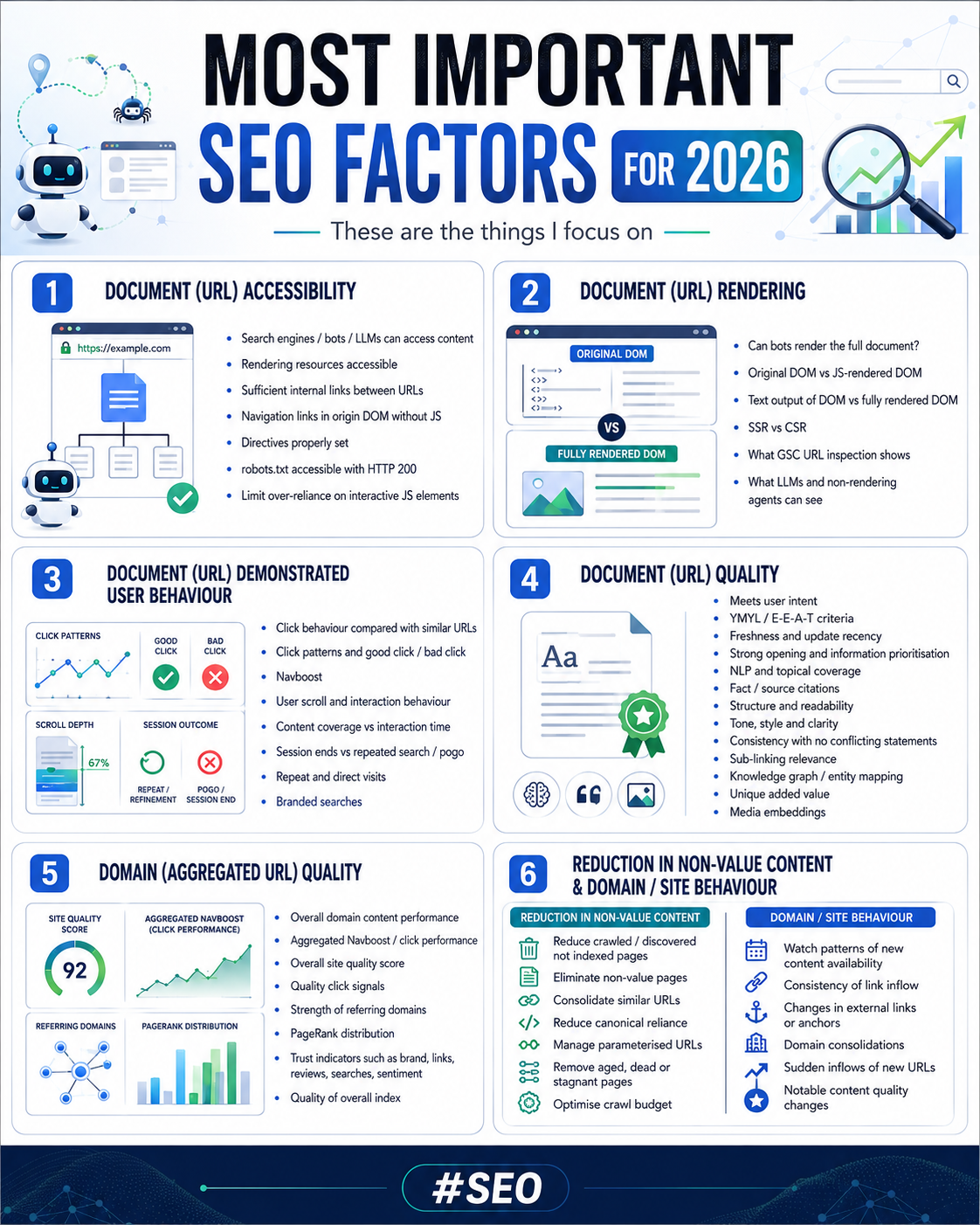
Trust is the most valuable currency in the 2026 search environment. A high link speed only works if it is backed by other trust signals, such as high user engagement, social discusses, and branded search volume. If a site acquires a thousand links in a week but sees no increase in direct traffic or brand name searches, the algorithm may flag the activity as suspicious. Browse engines look for a holistic pattern of development. Link velocity is just one piece of a larger puzzle that consists of technical efficiency and content depth.
The combination of AI-driven content has made it much easier to generate pages, however harder to get genuine links. Because a lot content is now automated, search engines place a premium on links from human-curated sites. This means that a link from a well-established publication or a highly regarded industry blog is worth considerably more than lots of links from generic news aggregators. In 2026, the quality of the speed matters as much as the rate itself.
The Role of Content Lifecycles in Link Speed
Understanding the natural lifecycle of a piece of content is essential for managing link velocity effectively. A lot of pages experience an initial spike in links upon publication, followed by a steady decline. To maintain high rankings, a website must carry out a technique for "link maintenance," which includes regular updates to older content to trigger brand-new waves of citations. This develops a staggered velocity profile that signals to online search engine that the material remains relevant with time.
A common mistake in 2026 is focusing exclusively on new pages while permitting the link speed of older, high-traffic pages to drop to no. This "speed decay" can lead to a progressive loss of rankings. By revitalizing data, including new insights, or upgrading the media within a post, a brand can renew the link acquisition process for existing properties. This technique ensures that the overall link speed of the domain remains high, even during periods when no brand-new content is being produced.
Technical Infrastructure and Indexing Speed
The speed at which search engines discover new links is also an element in fast outcomes. In 2026, the use of API-based indexing tools has actually ended up being basic. These tools inform search engines the minute a brand-new link is developed, allowing the authority to flow to the target page nearly quickly. This has actually shortened the feedback loop for SEO experiments. In the past, it might have taken weeks to see the effect of a link building campaign. Today, the outcomes are typically visible within days or perhaps hours.
For brand names running in active markets, this speed is a double-edged sword. It permits quick gains, however it also suggests that a competitor can react simply as fast. The secret to maintaining a lead is not just arriving of the search engine result, however constructing a moat of high-quality, high-velocity links that is too expensive or time-consuming for others to replicate. This protective link building is a core element of long-term SEO success in the present year.
Future-Proofing SEO Strategies
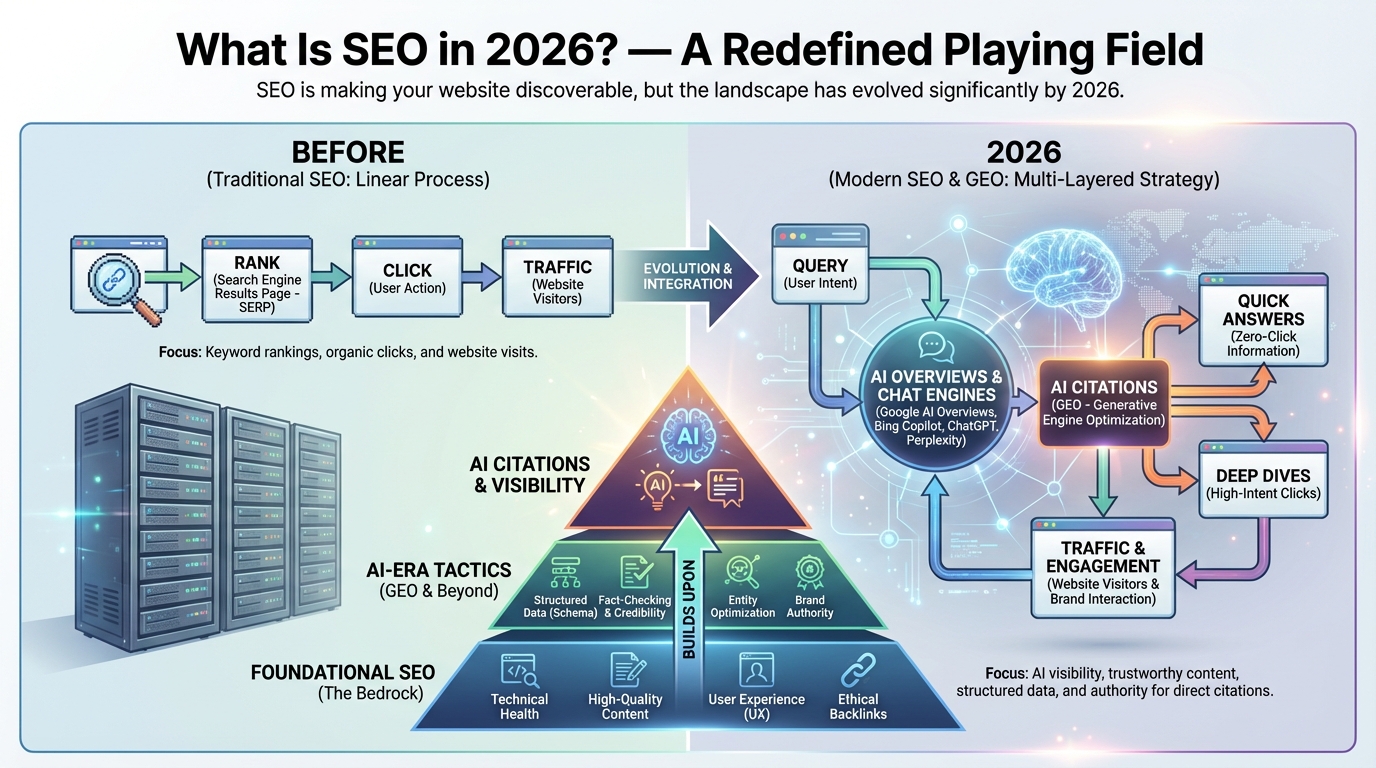
As we move through 2026, the meaning of a "link" continues to broaden. Pointing out a brand name in a trusted AI-generated summary or a popular video transcript now carries weight comparable to a traditional link. Smart online marketers are looking beyond the tag and considering how to increase their total "citation velocity" throughout all digital formats. This broad technique to authority makes sure that a brand name stays visible regardless of how search interfaces change.
The most successful strategies are those that treat link speed as a dynamic target instead of a set number. By staying versatile and reacting to the shifting benchmarks of the industry, companies can use fast link acquisition to accomplish and keep top rankings for their most valuable keywords. The focus should constantly remain on quality, importance, and the genuine growth of the brand name in the digital space.