A Modern Guide to Tiered Backlink Circulation Quality
The Shift from Domain Metrics to Entity Trust in 2026
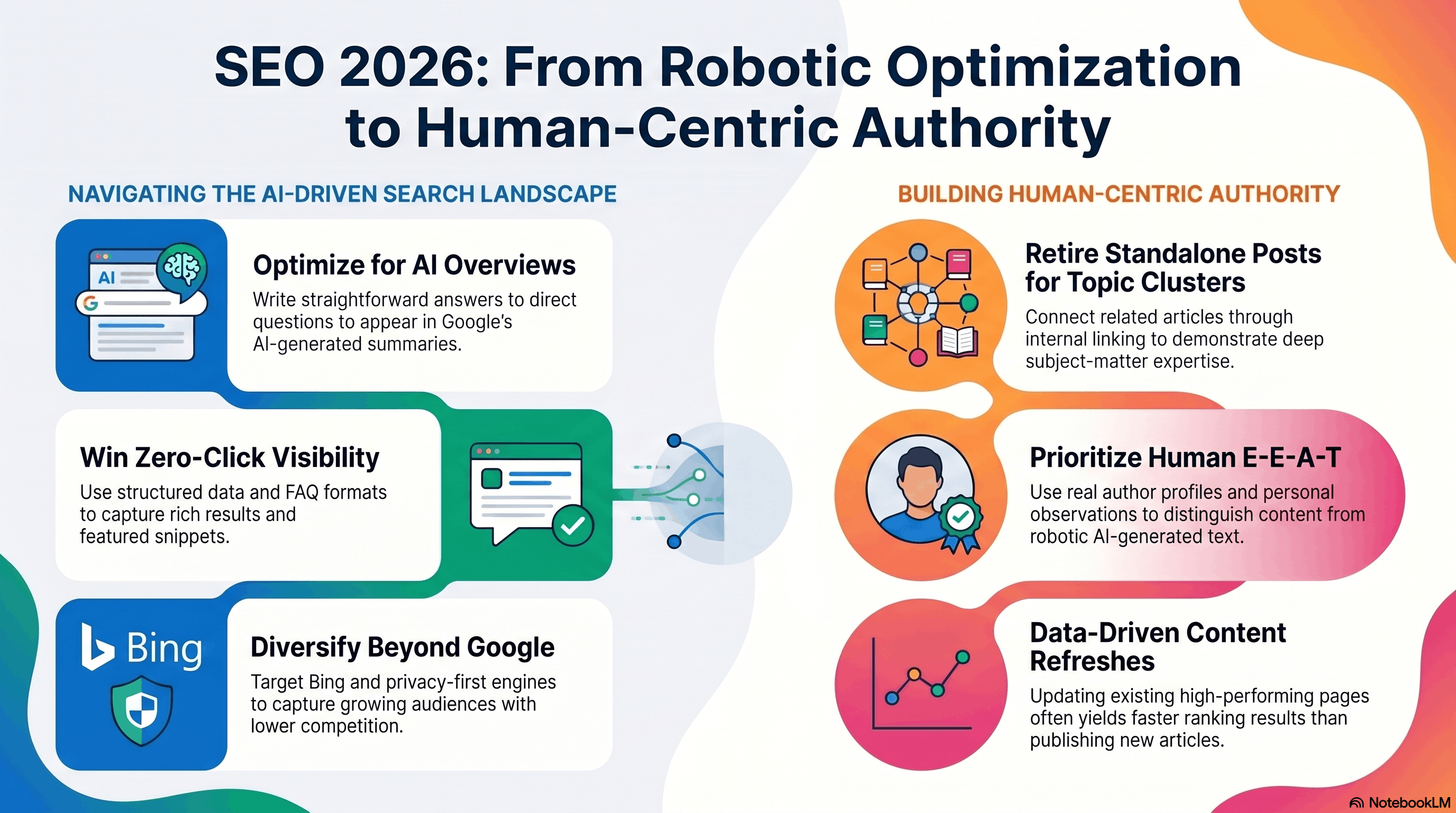
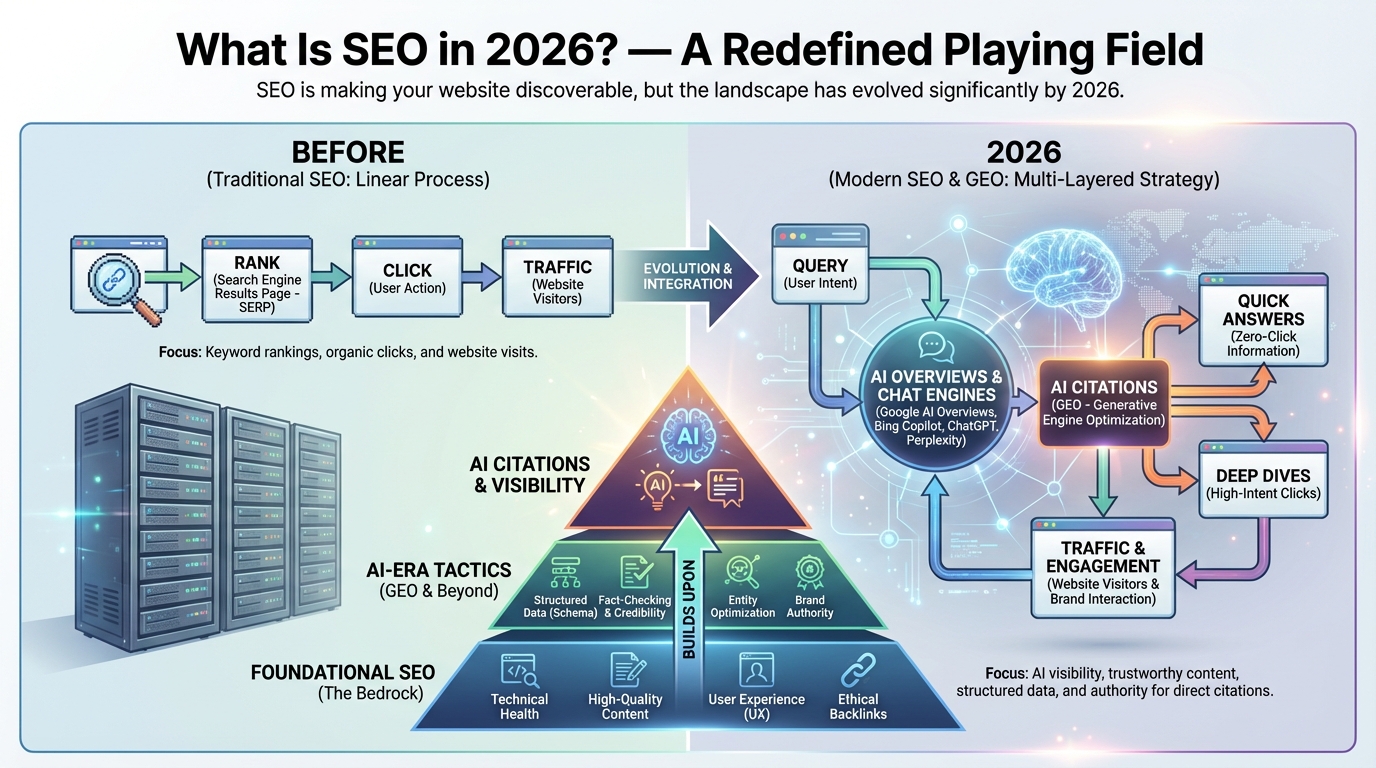
The principle of domain authority has gone through a massive modification over the last year. In 2026, online search engine no longer count on simplistic third-party ratings to identify which sites are worthy of the top areas for competitive keywords. Instead, the focus has actually approached entity trust and verified info gain. Authority is now a reflection of how well a domain works as a conclusive source for a specific subject instead of how lots of backlink votes it has collected from unrelated sites. This transition indicates that ranking in competitive markets needs a method that exceeds traditional link structure.
Browse algorithms in 2026 prioritize domains that show a clear relationship in between their material and real-world data. This is often referred to as the entity-attribute-value model. When a site supplies particular, proven facts that other sites do not have, its authority boosts. This is a departure from previous years when high-volume, generic content could maintain rankings through sheer domain age. Now, the quality of details identifies the weight of the domain. For those wanting to enhance their exposure, concentrating on Asia Virtual Solutions Analysis helps establish a foundation that aligns with these algorithmic choices.
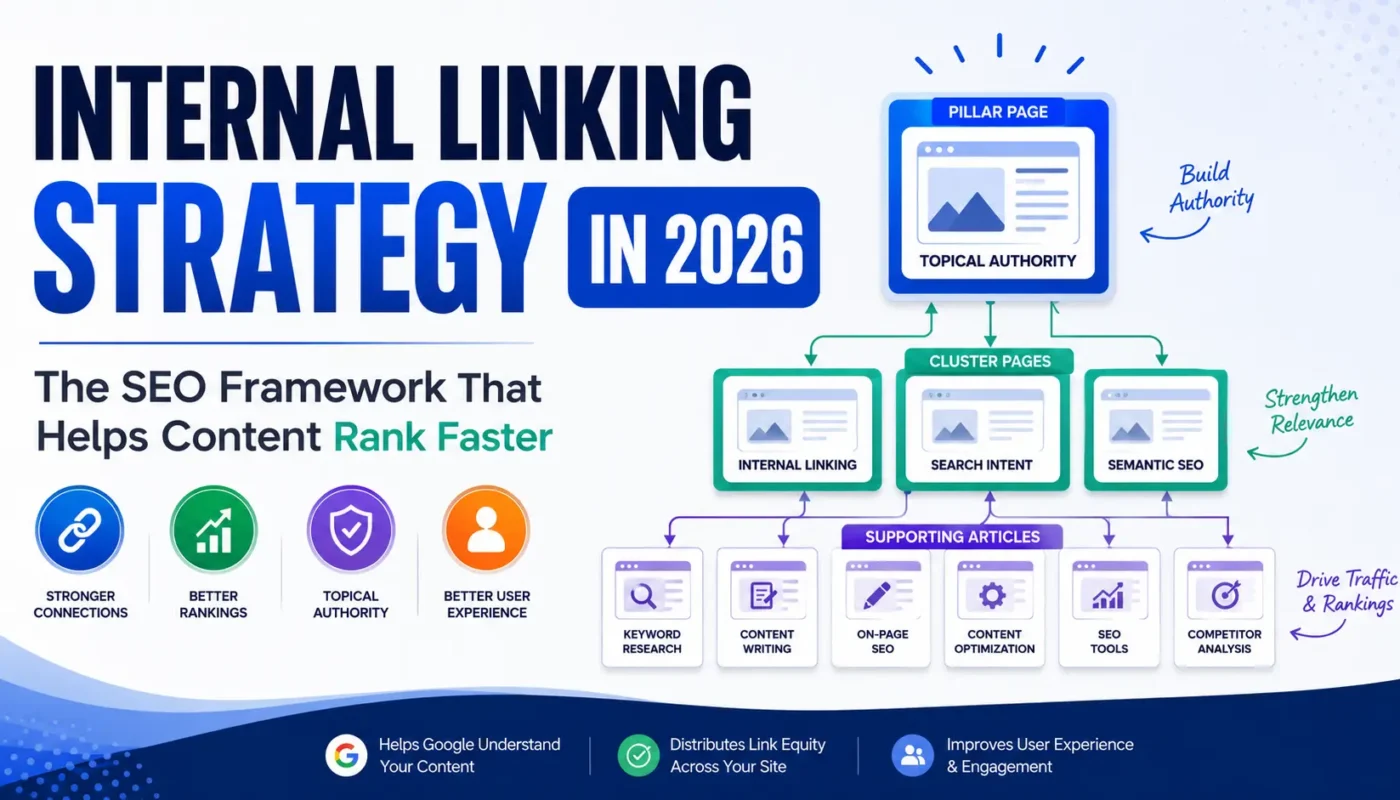
Topical depth has actually changed the broad, shallow method that specified much of the early 2020s. A site can not simply discuss everything and expect to rank for everything. The 2026 search environment rewards domains that stay within their lane. If a site focuses on digital strategy, it should cover every micro-topic within that niche to be seen as an authority. This develops a topical map that the online search engine utilizes to verify the domain's know-how. When a user look for a high-difficulty keyword, the engine looks for the domain with the most complete and precise topical map.
Specifying Authority in the Age of Artificial Intelligence
Expert system has actually essentially changed how authority is determined. In 2026, search engines utilize large language designs to scan the whole web for contradictions. If a domain consistently releases info that opposes recognized realities or commonly accepted research without supplying brand-new proof, its authority score drops. This is a form of automated fact-checking that takes place in real-time. High-ranking websites are those that supply "details gain"-- brand-new, distinct perspectives or information that can not be found in other places. This makes initial research and exclusive data better than ever before.
The method links are valued has likewise altered. In 2026, a link from a small, highly pertinent specific niche website is often more powerful than a link from a large, general news website. The algorithm searches for "significance clusters." If a domain receives links from other entities within the exact same topical community, it validates that the domain is a reputable peer because field. This peer-to-peer verification is the new foundation of domain strength. Modern data recommends that Asia Virtual Solutions GSA SER Comparison offers a clear course for brands that desire to develop this type of genuine authority without resorting to out-of-date techniques.
User interaction data functions as a last layer of confirmation. In 2026, the online search engine tracks how users interact with a domain across numerous sessions. If users frequently return to a website straight or browse for the trademark name specifically, the domain's authority boosts. This "brand affinity" signal is tough to phony. It tells the engine that the domain is a destination, not just a landing page. This shift stresses the requirement for a strong brand name identity that resonates with the target audience in the local region.
Technical Foundations and Authority Signals
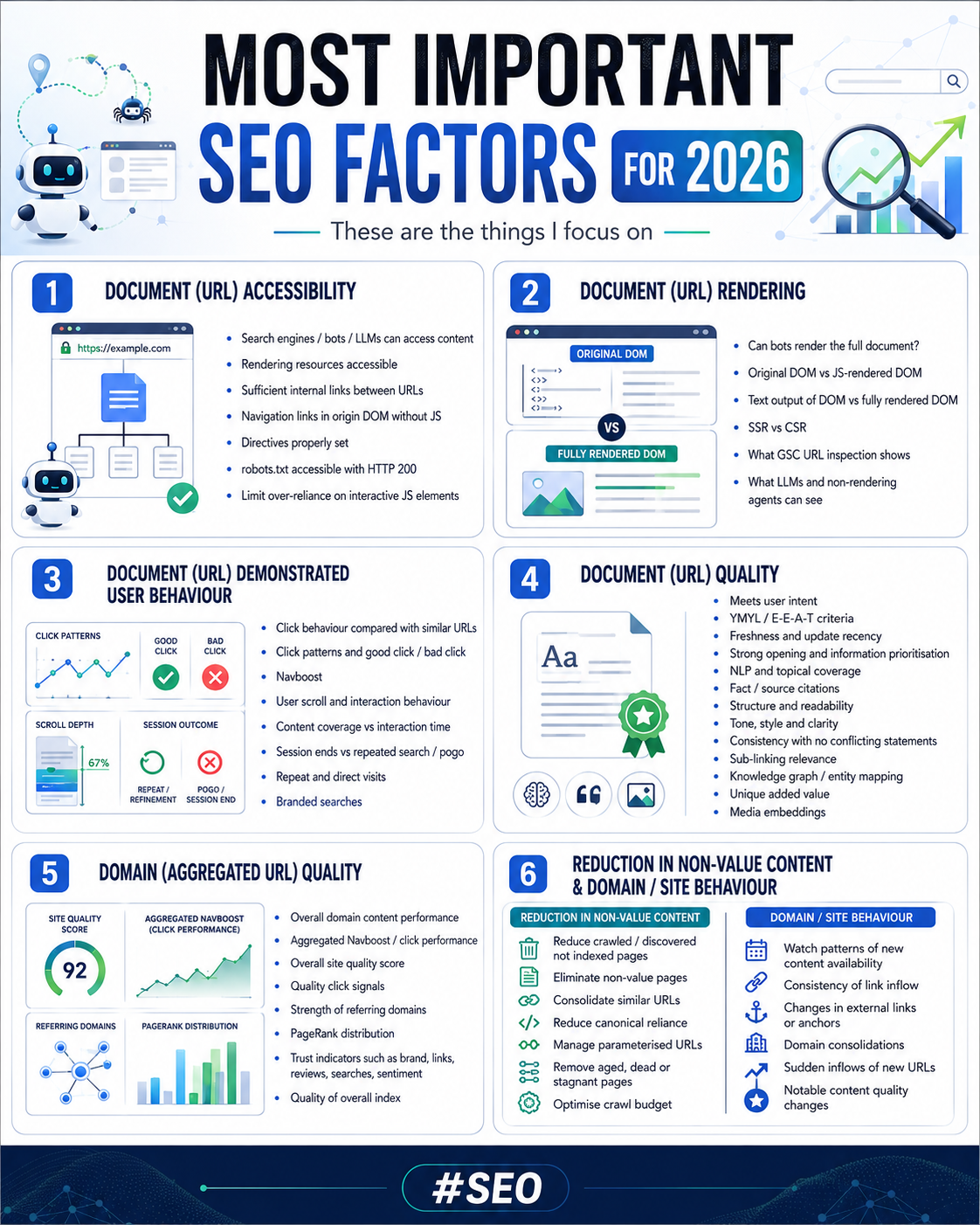
Technical performance is no longer a different optimization classification; it is a core component of domain authority. In 2026, online search engine see a site's technical health as a proxy for its dependability. A domain that is slow, tough to browse, or inaccessible is seen as unreliable. Speed and security are the baseline. Beyond that, the execution of structured information has ended up being a requirement for any site intending to rank for competitive terms. Structured information permits the search engine to specifically identify the entities mentioned on a page, which feeds straight into the entity trust design.
The interaction in between mobile performance and authority has also deepened. With the majority of international searches happening on mobile phones, a domain's "mobile authority" is now its main authority. If a site stops working to offer a flawless experience on the most current 2026 mobile hardware, its rankings for competitive keywords will suffer regardless of its backlink profile. This includes everything from touch-target spacing to the effective loading of high-resolution possessions. Quality technical maintenance in the modern digital space makes sure that the domain authority earned through material is not lost on a bad user experience.
Verified Identities and Personal Experience
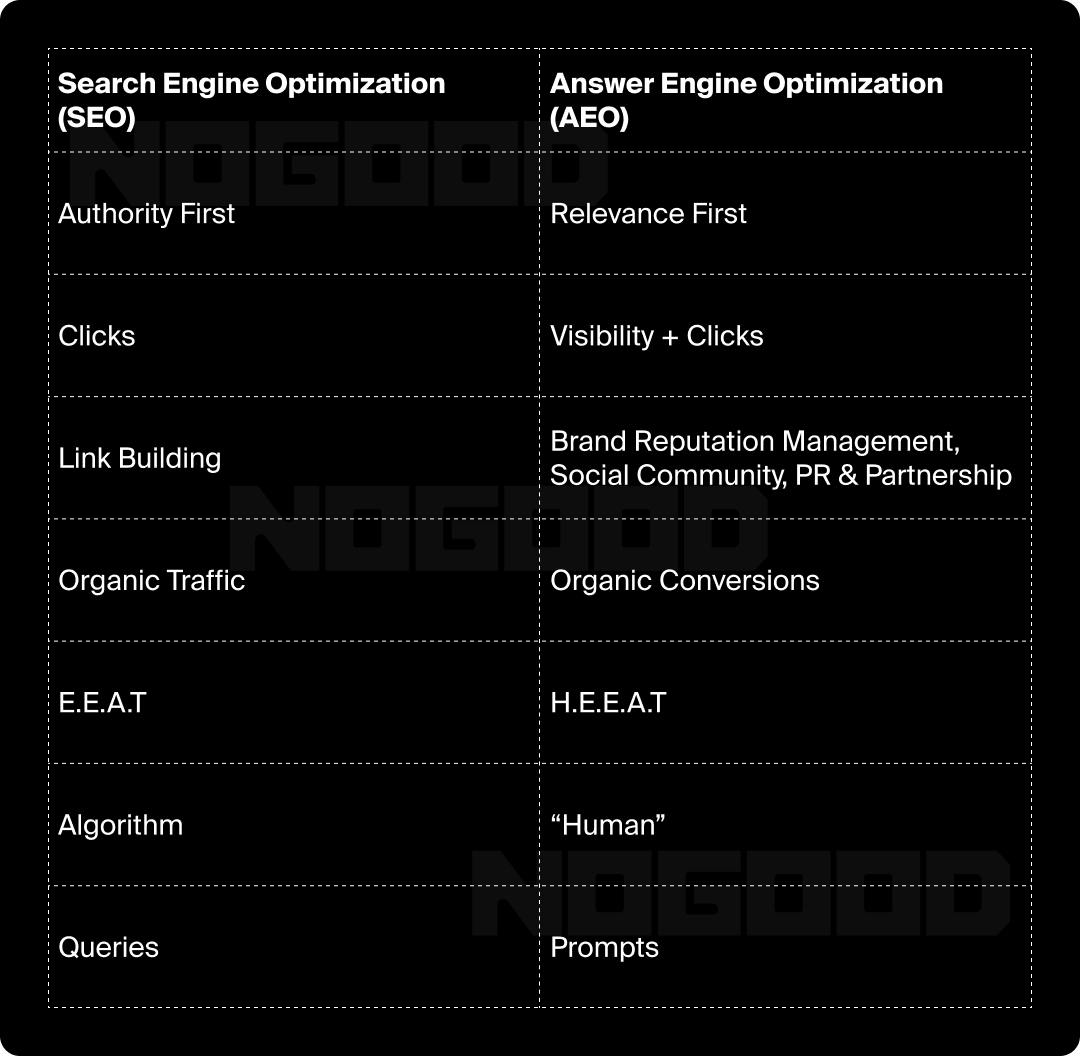
The "Experience" part of E-E-A-T has ended up being the most significant differentiator in 2026. Online search engine now look for proof of first-hand experience. This is frequently verified through the digital footprints of the authors. A short article about professional consulting carries more weight if the author has a verified history of operating in that industry. Search engines cross-reference author names with expert social networks, patent databases, and conference speaking engagements. This "Author Authority" is then passed on to the domain.
Confidential or AI-generated content without human oversight has lost its ability to rank for competitive terms. While AI is used to assist in content creation, the last output must be tied to a confirmed human identity. This prevents the web from being flooded with low-quality, recurring content. In 2026, a domain's authority is successfully the amount of the authority of its contributors. This motivates brand names to work with subject specialists instead of generalist copywriters. The result is a more trusted search outcome for completion user, which is the ultimate objective of the service supplier.
Personal privacy and information security also play a function in authority. Domains that have a history of data breaches or that usage aggressive, invasive tracking approaches see their trust ratings reduced. In 2026, being a "good digital citizen" is a ranking element. Online search engine prioritize domains that respect user privacy and abide by the most recent worldwide data guidelines. This develops a much safer search environment and rewards companies that prioritize the security of their customers.
Winning Competitive Keywords in Large Markets
Ranking for high-volume keywords in 2026 requires a long-term commitment to topical authority. The days of "fast wins" are largely over. Competitive keywords are dominated by domains that have actually spent years developing a credibility for excellence. To complete, a brand-new or growing domain should find gaps in the existing details. This includes identifying "low-density" subtopics within a more comprehensive niche. By becoming the outright authority on these subtopics, a domain can eventually go up the ladder to complete for the main keywords.
The geographic context of authority has likewise become more nuanced. For businesses running in specific regions, regional authority is a subset of domain authority. A domain may be seen as a high authority for niche industries in one specific location however not in another. This is identified by local citations, regional news discusses, and user behavior within that area. Consistency throughout all local signals is necessary for preserving this local trust. In 2026, the online search engine is remarkably proficient at identifying which domains are actually active and appreciated in their local neighborhoods.
Predictive Intent and Domain Performance
Online search engine in 2026 are increasingly predictive. They do not simply look at what a user is searching for now; they look at what the user will likely require next. Domains that offer a comprehensive "journey" for the user earn greater authority. This indicates having material that addresses the awareness, consideration, and decision phases of a subject. If a user can discover whatever they require on a single domain, that domain is considered as a remarkable resource. This lowers the "pogo-sticking" result where users jump back and forth between search results page.
Domain authority is likewise influenced by the "freshness" of the info. In fast-moving markets, a domain that hasn't upgraded its core material in six months is viewed as less authoritative than one that offers weekly updates. The 2026 algorithm prioritizes current information, especially for keywords related to innovation, financing, and health. Preserving a high authority requires a constant cycle of auditing and rejuvenating existing material to guarantee it remains the most accurate resource available. This commitment to accuracy is what separates the top-tier domains from the remainder of the pack.
Connect Importance Over Volume
The final pillar of 2026 domain authority is the importance of the link chart. It is no longer about the number of links, but the "distance" in between the connecting domain and the target domain in the topical map. A link from a direct competitor or a carefully related market peer deserves more than a hundred links from unassociated blogs. This has resulted in a more collaborative method to link structure, where brands focus on partnerships and authentic industry discusses instead of cold outreach. The link graph in 2026 is a sophisticated web of professional relationships that shows the real-world connections between services and professionals.
Strategies for ranking in modern markets needs to represent this shift toward quality. Effective domains focus on producing "linkable assets"-- tools, original studies, or deep-dive guides that others in the market naturally wish to recommendation. This natural link development is the greatest signal of authority a domain can send. It reveals that the site is a leader, not a fan. As we move through 2026, the gap between genuinely authoritative domains and those attempting to shortcut the system will just continue to widen, making tactical material and technical excellence more vital than they have ever been.