5 Reasons Your Link Building Isn't Working Any Longer
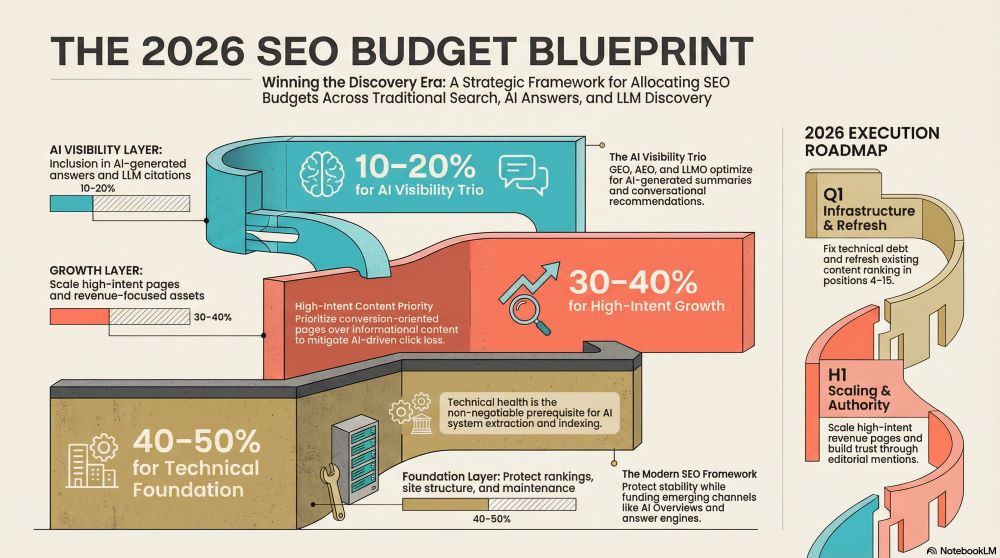
Modern Authority Structures for Competitive Ranking in 2026
Ranking for high-competition search terms in 2026 needs a departure from the simple method of acquiring scattered backlinks. Search algorithms have actually reached a level of elegance where they no longer just count votes. Rather, they evaluate the architecture of impact surrounding a page. This shift has made multi-tier link constructing a necessity for organizations in competitive markets seeking to protect top-tier visibility. The reasoning behind this approach counts on producing a buffer between the main site and more aggressive marketing methods while concurrently pumping up the viewed importance of top quality editorial placements.
In the present environment, a single high-authority link from a significant publication frequently sits dormant if it lacks its own supporting citations. This is where the multi-tier technique alters the equation. By constructing secondary and tertiary layers of links, professionals can guarantee that search spiders focus on the primary link, acknowledging it as a piece of content that is creating real conversation and interest. This technique mirrors natural viral growth where a primary source is mentioned by smaller sized blog sites, which are then shared across social platforms and online forum threads.
Developing the Tier 1 Foundation with Editorial Accuracy
The first layer of any multi-tier structure in 2026 must be beyond reproach. These are the links that point directly to the target page, often referred to as the cash site. These placements must originate from aged domains with considerable organic traffic and high topical significance. In sectors like professional industries, a Tier 1 link requires to look like a genuine editorial recommendation. This is not the location for shortcuts. Every positioning must pass rigorous manual review because these are the only connects the online search engine will straight relate to the brand name.
Those who focus on Asia Virtual Solutions Power frequently see faster indexing throughout their whole structure. The goal here is to get links from websites that browse engines currently trust implicitly. When a high-authority website in the surrounding region links to an organization, it passes a specific type of trust signal. The true power of this Tier 1 link is only recognized when it is treated as a landing page for the next layer of the method. Instead of letting a guest post being in seclusion, professionals now treat that guest post as a secondary property that requires its own SEO assistance.
Criteria for Tier 1 Placements
- Real organic traffic: The website should rank for its own set of keywords.
- Topical alignment: The material must be carefully related to the target page in the local area.
- Editorial control: Links must be put within the body of a long-form short article, not in sidebars or footers.
- Clean history: The domain must have no history of abrupt traffic drops or manual penalties.
Tier 2: The Contextual Power Layer
Tier 2 is where the heavy lifting happens. These links do not point to the organization website directly. Rather, they indicate the Tier 1 articles. This serves 2 functions. Initially, it secures the main website from any possible algorithmic shifts that might target high-volume link structure. Second, it increases the "Page Authority" of the Tier 1 URLs. In 2026, a link from a page with its own backlinks is 10 times more effective than a link from an orphaned page without any external assistance.
For an organization supplying specialized solutions, Tier 2 links might consist of niche-relevant post, high-quality directory listings, and active online forum involvements. The quality requirements for Tier 2 are a little lower than Tier 1, but they must still keep significance. Automated tools are in some cases used here, but with premium content filters to avoid the footprint of low-grade spun text. The objective is to produce a web of points out that confirms the Tier 1 source. When search spiders see dozens of different sources speaking about the Tier 1 short article, they categorize that article as a significant resource.
Dependable data suggests that Asia Virtual Solutions Power remains a main chauffeur for algorithmic trust in 2026. This layer of the technique enables for a more aggressive anchor text profile. While Tier 1 links ought to mostly use branded or naked URL anchors to preserve a natural profile, Tier 2 links can use more detailed, keyword-rich anchors to assist online search engine understand the precise subject of the Tier 1 page. This topical significance then streams upward to the primary website.
Tier 3: The Indexation and Velocity Engine
The third tier is the furthest removed from the primary website and focuses mostly on volume and crawl frequency. In 2026, search engines have ended up being a lot more selective about what they index to minimize computing resources. Many lower-level links never even make it into the search index, rendered useless. Tier 3 exists to fix this problem. These links point to the Tier 2 links, producing a massive web that captures search engine spiders and directs them through the layers.
This layer frequently includes social bookmarks, cloud-hosted pages, and mass social signals. While these links have very little individual worth, their collective impact is to develop "sound" around the Tier 2 layer. This sound signals to the online search engine that the Tier 2 material is being shared and referenced, which activates an indexing crawl. For a company in the broader market, this guarantees that every cent spent on Tier 1 and Tier 2 links actually leads to a boost to the primary website's rankings. Without Tier 3, a big portion of a link-building budget plan is often lost on links that the search engine just ignores.
Managing the Link Velocity
Timing is vital when deploying these layers. Flooding a Tier 1 relate to five hundred Tier 2 links in a single day is a clear red flag. Successful operators in 2026 use drip-feed mechanisms. They may secure a Tier 1 link in week one, begin including Tier 2 links in week three, and start Tier 3 signals in week five. This staggered method imitates the way content naturally acquires traction. It appears like a story that is slowly being found and magnified in time, which is precisely what search algorithms are designed to reward.
The Technical Shift in 2026 Link Assessment
The way online search engine evaluate links has approached a design based on "Effective Power." This is a computation of just how much authority a link actually passes after representing the range from the seed set of relied on sites. Multi-tier structures are designed to bridge this distance. By linking a new or mid-tier service site in the region to a high-authority seed site through numerous layers, the organization site is brought more detailed to the "circle of trust" that browse engines keep.
Another element acquiring prominence is the "Link Community." Browse engines take a look at the other websites that are being connected to from the exact same pages. If a Tier 2 page links to a top quality Tier 1 post and also to three other respectable websites, it is viewed as a valuable resource. If it connects to the Tier 1 article and 10 pharmaceutical or betting websites, it is flagged as part of a link farm. Keeping the area tidy throughout all tiers is a necessary part of the 2026 strategy.
Material Quality Throughout the Tiers
In previous years, Tier 2 and Tier 3 content could be nonsensical. In 2026, that is a recipe for failure. Natural Language Processing (NLP) designs now scan the context of links at every level. If the content surrounding a link in Tier 2 is irrelevant to the industry focus of the Tier 1 post, the link carries considerably less weight. Each piece of content, no matter the tier, need to be readable and topically constant. Lots of agencies now use specialized AI models to generate countless distinct, topically pertinent paragraphs that keep this consistency without the high cost of manual writing for lower tiers.
This focus on material likewise applies to the anchor text. Rather of using the same keyword repeatedly, contemporary structures utilize "Latent Semantic Indexing" terms. This means using synonyms and related phrases that somebody would naturally utilize when speaking about a particular subject. If the main keyword is "emergency situation plumbing," the tiers may use anchors like "pipeline repair," "burst water line," or "24-hour technician." This variety makes the backlink profile appearance human-made instead of machine-generated.
Threats and Safety Margins
While multi-tier building works, it requires a high degree of organization. The primary risk is a "footprint." A footprint happens when a pattern in the link building ends up being apparent. This might be utilizing the exact same hosting supplier for all Tier 2 sites, using the very same Google Analytics code, or even having the exact same registration dates for the domains. Professional practitioners use varied facilities to make sure that no 2 links can be easily traced back to the very same source. This involves using various IP addresses, various CMS platforms, and a mix of domain extensions like.com,. web,. org, and niche-specific TLDs.
Monitoring the health of the structure is likewise a consistent job. If a Tier 1 website loses its authority or gets penalized, the entire chain below it need to be assessed. In many cases, it is better to "burn" a tier and start over than to let a harmful link continue to point toward a valuable service asset. This is why lots of companies in the regional sector choose to deal with specialized suppliers who can manage these complexities on their behalf, ensuring that the general quality of the profile stays high.
The Long-Term Outlook for Multi-Tier Methods
As we move through 2026, the gap between basic SEO and sophisticated authority structure continues to expand. Basic techniques may work for low-competition regional terms, however for anything that drives significant revenue, a more sophisticated method is the only way to stay on the very first page. Multi-tier link building supplies a way to scale authority securely and effectively. It enables for the aggressive pursuit of rankings while preserving a front-facing image of pure, editorial-driven development. For any service serious about its digital presence, understanding and executing these layers is no longer optional-- it is the structure of digital endurance.