5 Actions to Building a Huge Link Profile Securely
Link Velocity Standards for 2026
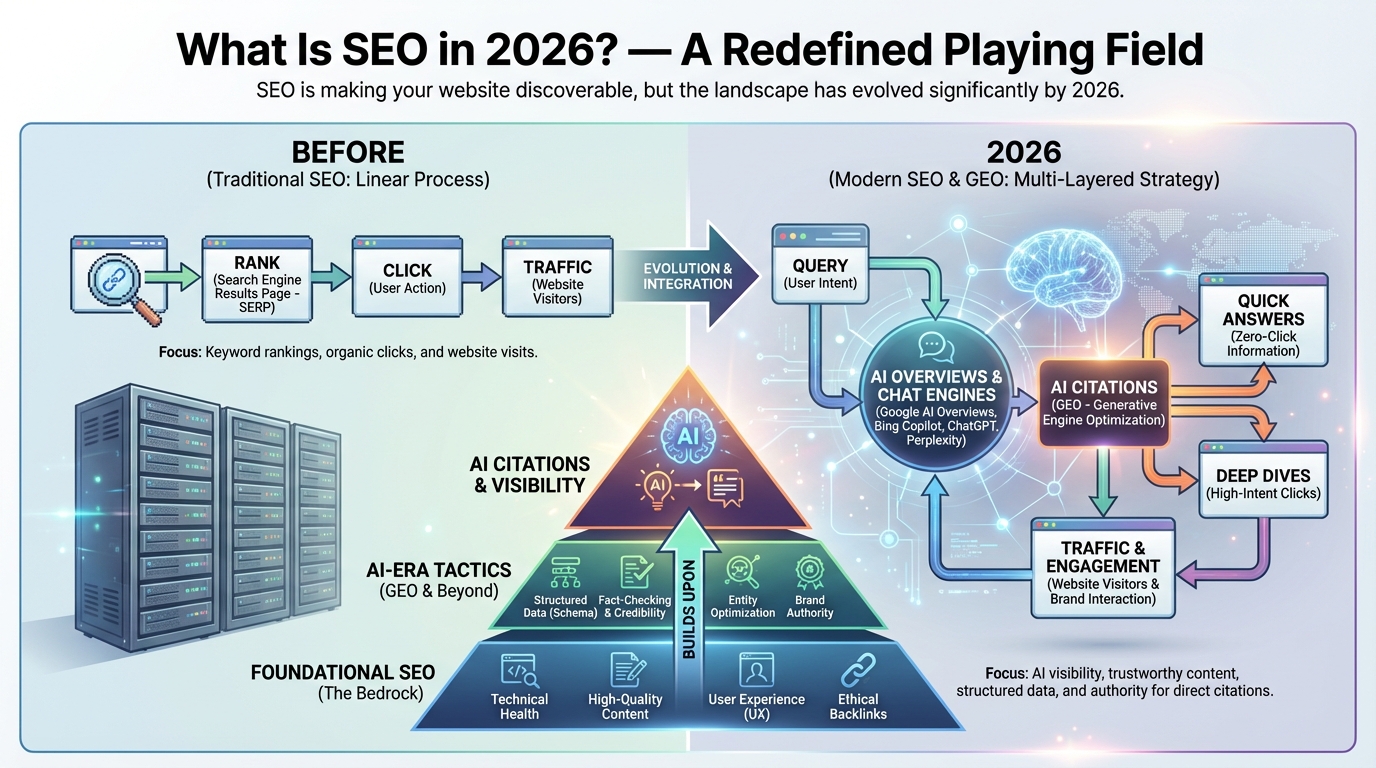
The concept of link speed underwent a massive shift as search engines transitioned to predictive indexing designs in 2026. In earlier years, the speed at which a site got new backlinks was often viewed through a lens of suspicion, with numerous presuming that a sudden spike in links indicated manual manipulation. Contemporary search algorithms now prioritize real-time momentum. High-velocity acquisition is no longer a warning if it lines up with real brand development or viral material cycles. Today, the focus remains on the correlation between link growth and genuine traffic signals.
Online search engine in 2026 use advanced neural networks to differentiate between artificial development and authentic interest. These systems assess the context of every new link within milliseconds. For services intending to rank for competitive terms, understanding these subtleties is compulsory. Speed functions as a proxy for importance. If a page receives a high volume of quality citations in a brief window, the algorithm translates this as a signal of instant significance, typically resulting in a rapid climb in online search engine results pages.
Strategic Combination of digital marketing Initiatives

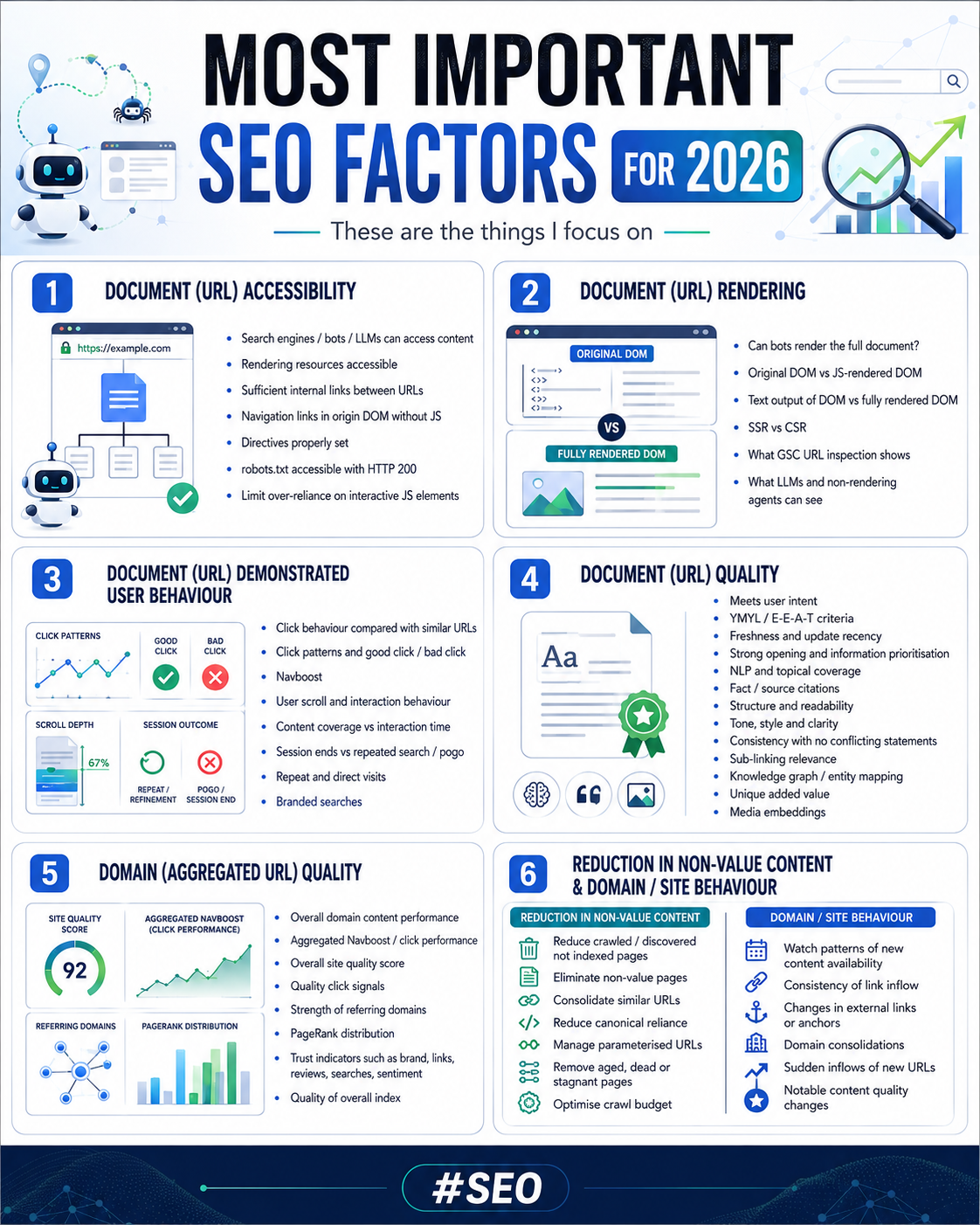
Generating fast results requires more than just volume. The source of the links determines whether a high velocity will be rewarded or ignored. High-authority domains still carry the most weight, but the importance of the connecting entity has actually become the primary factor for ranking in 2026. An abrupt increase of links from unassociated sectors can activate a temporary suppression of rankings till the system can verify the intent behind the development. This makes the execution of organic growth campaigns especially intricate in high-stakes environments.
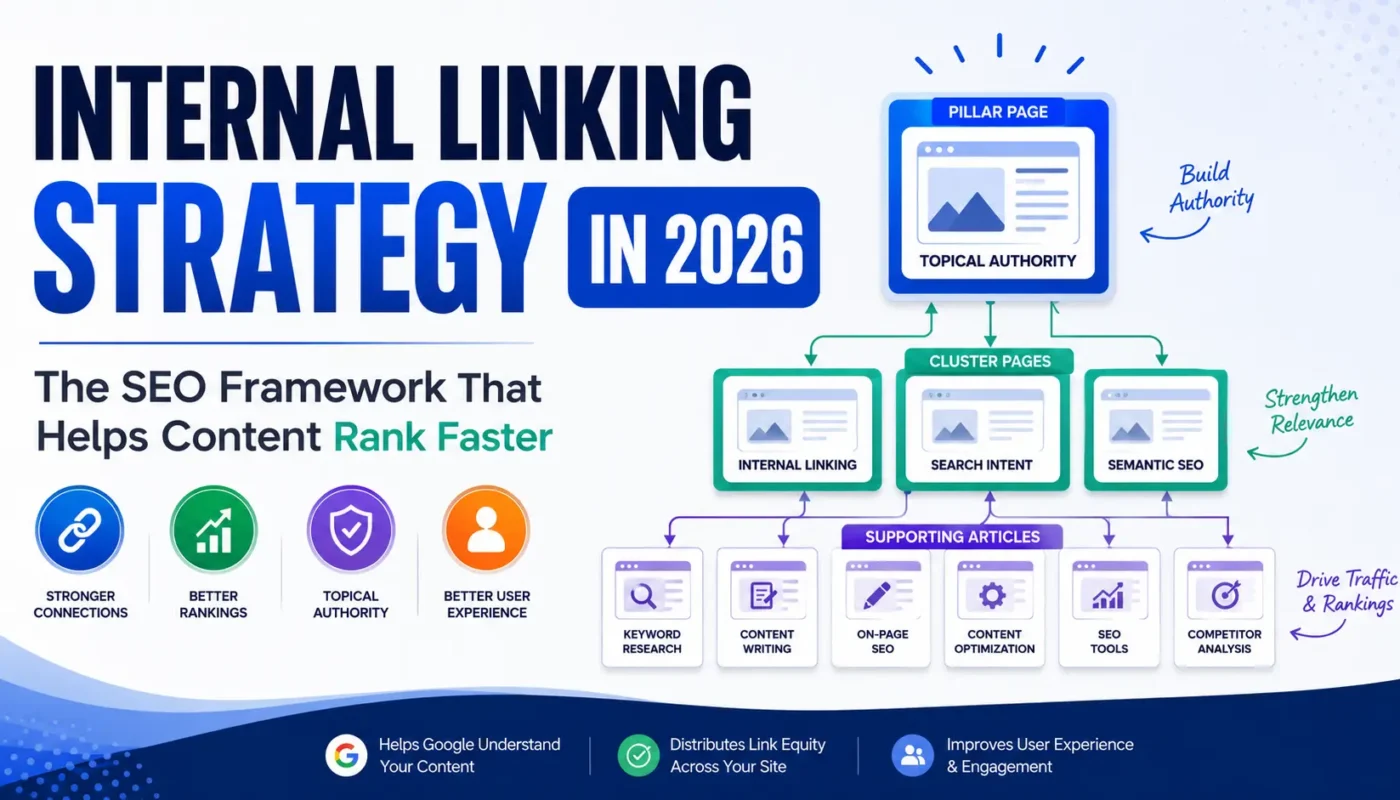
Attaining success typically depends on deep know-how in Asia Virtual Solutions Diagrams, which provides the needed structure for continual exposure. When a domain maintains a constant and increasing link velocity, it develops a credibility for persistent authority. This track record permits the site to recover much faster from algorithm updates and withstand the aggressive methods of competitors who may be trying to interfere with the search engine result through high-volume, low-quality spam.
Balancing Amount and Authority in competitive markets
In competitive areas like major business centers, the criteria for "normal" link speed is considerably higher than in less saturated locations. Massive competitors often have actually established PR devices that produce numerous discusses monthly. To complete, a smaller brand should match or surpass this speed without sacrificing the quality of the linking domains. The 2026 algorithm is particularly skilled at spotting "link farms" that try to simulate natural speed through automated posting.
Data recommends that effective ranking presses in 2026 involve a mix of long-form thought management and rapid-response digital PR. By collaborating these efforts, a brand name can replicate the natural link profile of a market leader. This method includes identifying trending topics within a particular industry and being the very first to provide a comprehensive resource that other websites feel compelled to mention. This organic destination of links develops a speed curve that search engines see as extremely favorable.
Data-Driven Benchmarking for Search Momentum
Keeping an eye on the acquisition rates of rivals is a basic part of a 2026 SEO strategy. It is no longer sufficient to take a look at the total number of links a rival has. Instead, analysts take a look at the "velocity delta"-- the rate at which a rival is acquiring or losing links relative to their historical average. If a rival suddenly increases their acquisition rate by 200%, a brand name must choose whether to match that pace or focus on higher-quality acquisitions that provide more durability.
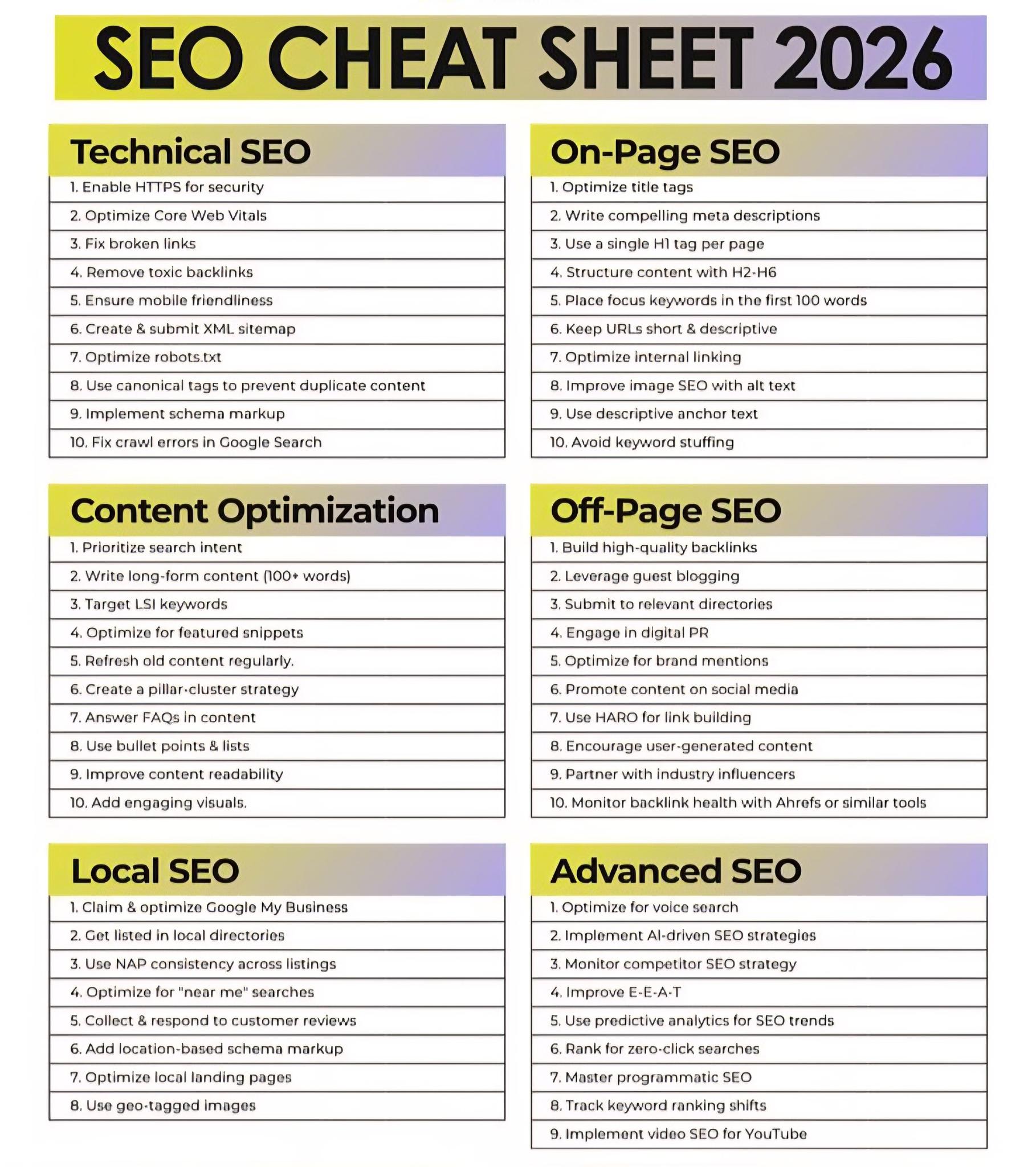
Numerous effective organizations focus on Asia Virtual Solutions Diagrams to ensure their digital presence stays ahead of these shifts. By using predictive analytics, it is possible to forecast the number of links needed to surpass a top-level page within a particular timeframe. These forecasts take into consideration the present speed of the target page, the authority of the linking domains, and the general volatility of the search results for that particular keyword. This level of precision is what separates high-performing sites from those that have a hard time to keep their positions.
Algorithmic Confirmation and Trust Signals
Trust is the most important currency in the 2026 search environment. A high link velocity just works if it is backed by other trust signals, such as high user engagement, social mentions, and branded search volume. If a site gains a thousand links in a week however sees no increase in direct traffic or brand name searches, the algorithm may flag the activity as suspicious. Browse engines look for a holistic pattern of development. Link velocity is just one piece of a larger puzzle that includes technical performance and content depth.
The combination of AI-driven material has made it simpler to produce pages, but harder to acquire real links. Because so much content is now automated, online search engine put a premium on links from human-curated websites. This indicates that a link from a well-established publication or a highly regarded industry blog is worth significantly more than lots of links from generic news aggregators. In 2026, the quality of the velocity matters as much as the rate itself.
The Role of Material Lifecycles in Link Velocity
Comprehending the natural lifecycle of a piece of content is essential for managing link velocity effectively. Many pages experience a preliminary spike in links upon publication, followed by a stable decrease. To maintain high rankings, a site should execute a method for "link maintenance," which includes periodic updates to older content to activate new ages of citations. This develops a staggered velocity profile that signals to search engines that the content remains relevant gradually.
A typical error in 2026 is focusing solely on brand-new pages while allowing the link speed of older, high-traffic pages to drop to no. This "velocity decay" can cause a steady loss of rankings. By refreshing data, including brand-new insights, or upgrading the media within a post, a brand name can reinvigorate the link acquisition procedure for existing properties. This technique guarantees that the total link speed of the domain remains high, even throughout periods when no brand-new material is being produced.
Technical Infrastructure and Indexing Speed
The speed at which search engines find brand-new links is also a factor in rapid outcomes. In 2026, using API-based indexing tools has ended up being basic. These tools inform search engines the moment a new link is created, enabling the authority to flow to the target page nearly instantly. This has shortened the feedback loop for SEO experiments. In the past, it may have taken weeks to see the effect of a link building project. Today, the outcomes are typically visible within days or even hours.
For brands operating in active markets, this speed is a double-edged sword. It permits fast gains, but it also implies that a rival can react simply as quick. The secret to preserving a lead is not simply arriving of the search engine result, however constructing a moat of premium, high-velocity links that is too costly or lengthy for others to duplicate. This protective link building is a core element of long-lasting SEO success in the present year.
Future-Proofing SEO Methods

As we move through 2026, the meaning of a "link" continues to expand. Mentioning a brand name in a relied on AI-generated summary or a popular video records now carries weight similar to a traditional hyperlink. Smart marketers are looking beyond the tag and thinking about how to increase their overall "citation speed" throughout all digital formats. This broad method to authority guarantees that a brand remains noticeable no matter how search user interfaces change.
The most effective methods are those that deal with link speed as a vibrant target rather than a set number. By remaining adaptable and reacting to the moving standards of the market, businesses can use rapid link acquisition to attain and maintain top rankings for their most important keywords. The focus should constantly stay on quality, importance, and the genuine development of the brand name in the digital area.